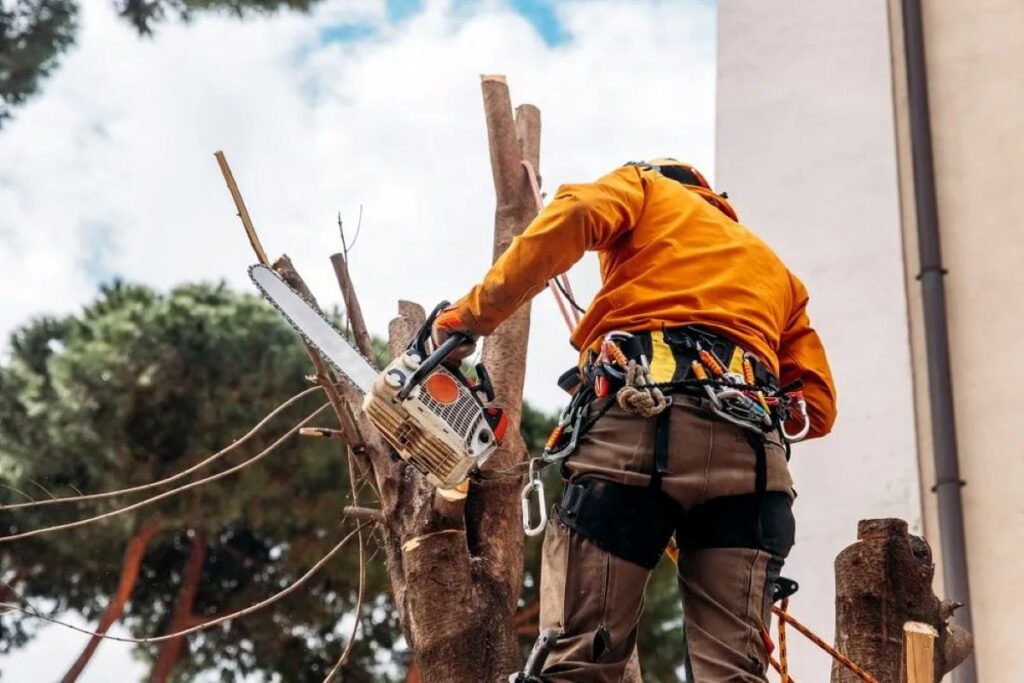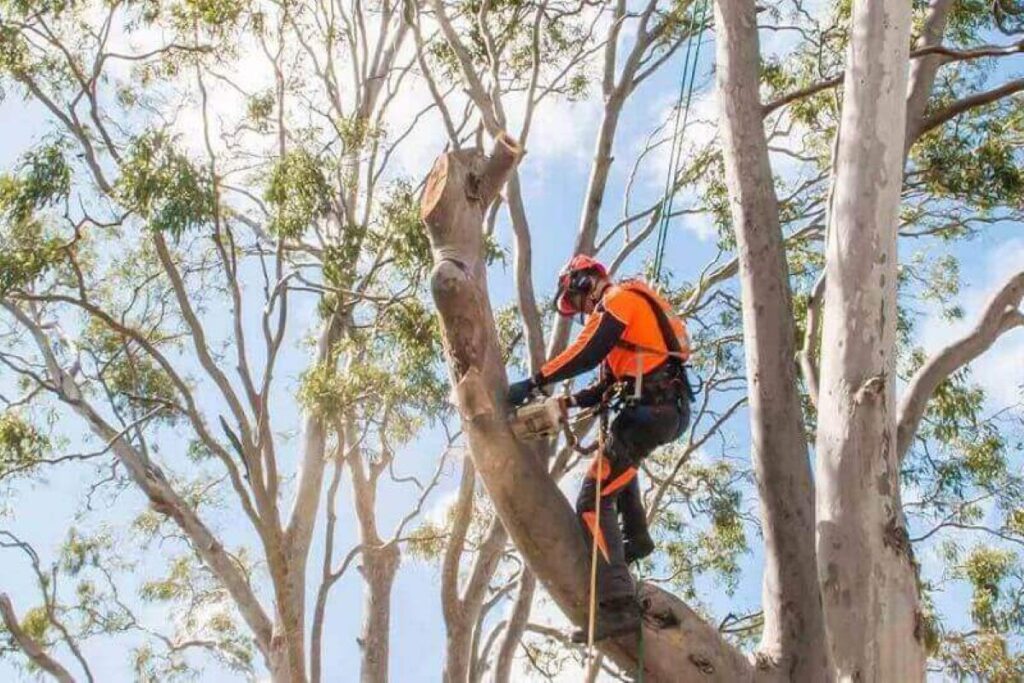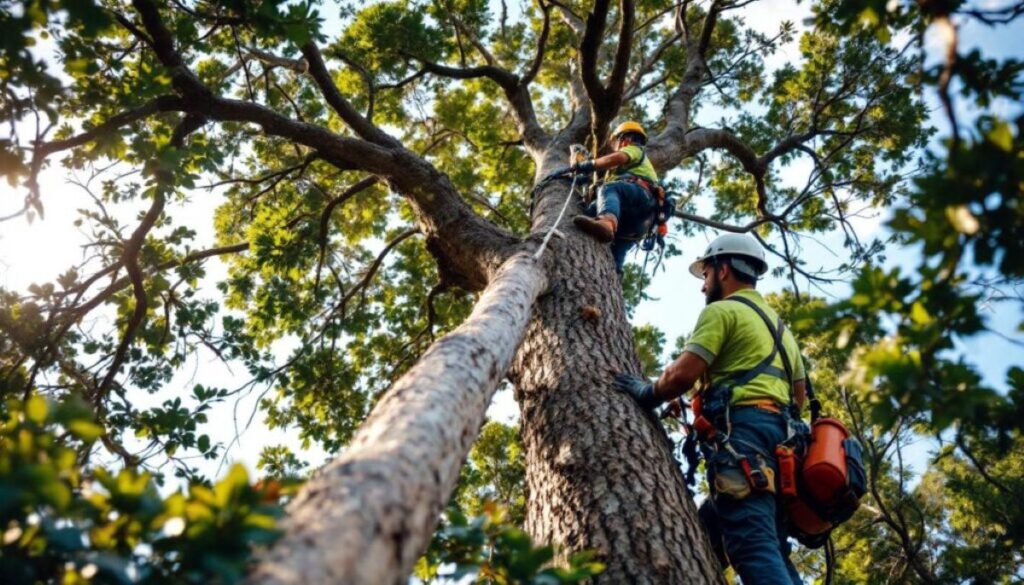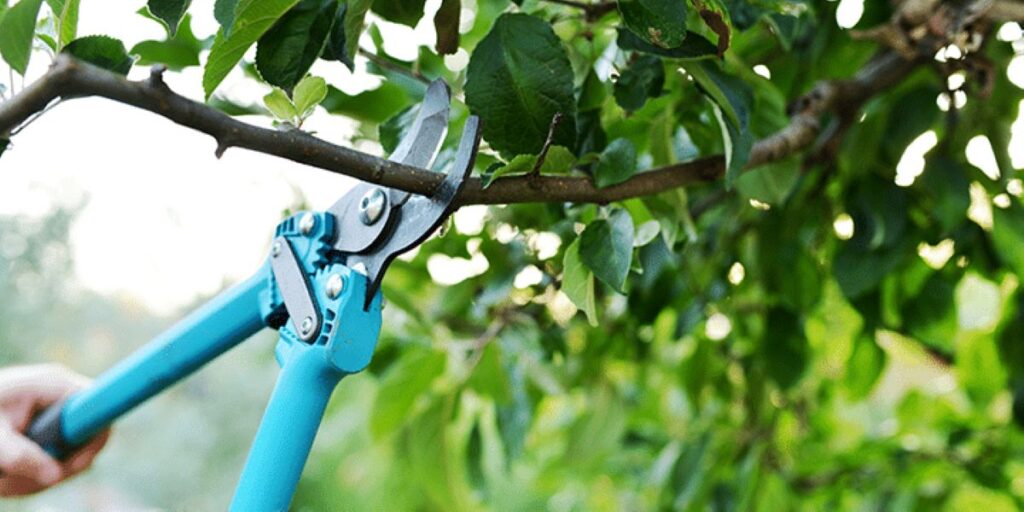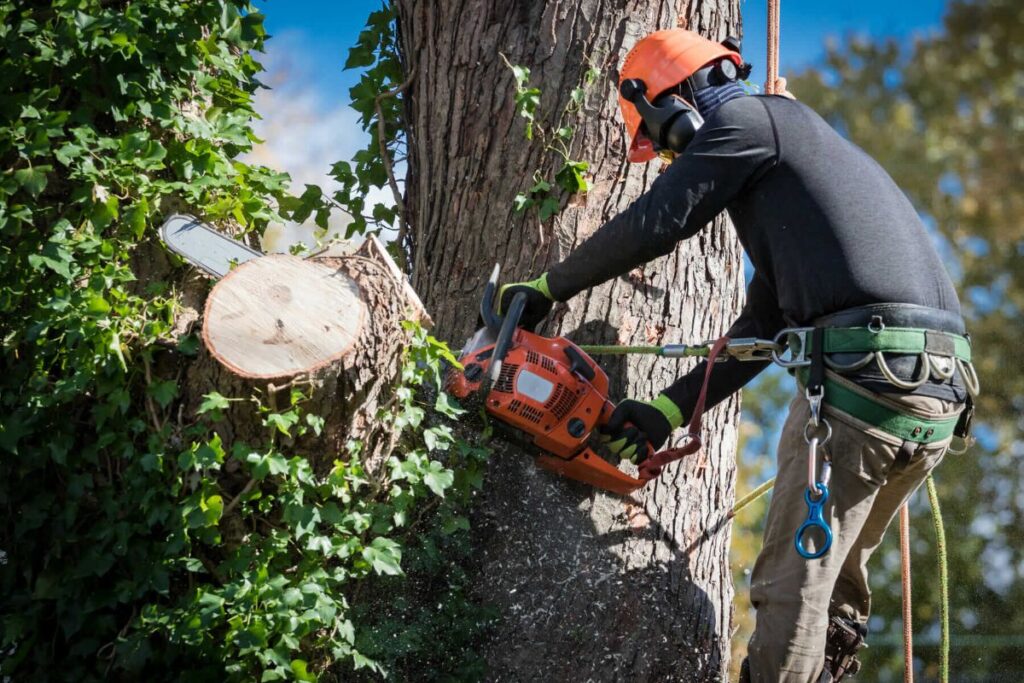
consulting arborist sydney

The Value of a Consulting Arborist Sydney When Planning Construction

Why Should You Consult an Arborist in Sydney When Planning Construction?

A consulting arborist Sydney brings specialised expertise that safeguards existing trees while ensuring your construction project complies with local planning and environmental regulations. Without professional arboricultural guidance, developers risk costly delays, council rejections, and unnecessary tree removal that could otherwise be avoided.

Sydney’s urban environment is home to valuable trees that enhance property values, support ecological balance, and contribute to community wellbeing. Construction activity can severely impact these assets through root disturbance, soil compaction, and structural stress. A qualified consulting arborist assesses which trees can be retained and develops practical strategies to protect them throughout each stage of the build.

The role of a consulting arborist extends well beyond basic inspections. These professionals prepare comprehensive arborist reports that meet council requirements, conduct detailed risk and impact assessments, and design site-specific tree management and protection plans. Their expertise bridges the gap between tree biology and construction processes, ensuring development activities do not compromise long-term tree health.

Engaging a consulting arborist Sydney early in the planning phase helps prevent problems before they arise. By reviewing architectural and site plans during the design stage, arborists can recommend layout adjustments that respect tree protection zones and minimise root damage. This proactive approach saves both time and money compared to resolving tree conflicts once construction is underway.

This article explores the value of working with a consulting arborist for construction planning in Sydney. It outlines their qualifications, assessment methodologies, and core services—from tree impact assessments to protection strategies—highlighting how professional arboricultural input supports sustainable development while balancing preservation and project objectives.

What Qualifications Do Consulting Arborists in Sydney Typically Hold?

Consulting arborists in Sydney hold an AQF Level 5 arborist qualification, which represents advanced diploma-level training in arboriculture. This credential signifies comprehensive education in tree biology, risk assessment, and management practices that go well beyond basic tree care knowledge.

The AQF Level 5 qualification requires extensive study across multiple disciplines. Arborists at this level complete rigorous coursework covering:

  • Tree physiology and growth patterns
  • Soil science and root system development
  • Pest and disease identification and management
  • Risk assessment methodologies
  • Australian standards and legal frameworks
  • Advanced diagnostic techniques

Professional arborist credentials at this level demonstrate mastery of both theoretical knowledge and practical application. These professionals understand how trees respond to environmental stresses, construction impacts, and urban conditions specific to Sydney’s climate and soil types.

Sydney arboriculture expertise demands familiarity with local tree species, from native eucalypts to introduced ornamentals. Qualified consulting arborists can identify species-specific vulnerabilities and predict how individual trees will react to construction disturbances. They assess structural integrity, evaluate long-term viability, and determine which specimens warrant protection measures.

Advanced qualifications matter significantly for construction projects because they ensure arborists can produce reports that satisfy council requirements and withstand scrutiny. Level 5 qualified professionals possess the analytical skills to conduct complex root investigations, interpret soil compaction data, and design protection strategies that actually work in practice rather than just on paper.

The depth of knowledge required for this qualification enables arborists to anticipate problems before they arise. They recognize subtle signs of tree stress, understand the cumulative effects of construction activities, and can recommend interventions that preserve tree health while accommodating development needs. This expertise becomes invaluable when navigating the competing demands of urban development and environmental conservation.

How Do Consulting Arborists Assess Trees During Construction Planning?

Consulting arborists start with a preliminary arboricultural assessment that thoroughly examines every tree on or near the proposed construction site. This initial survey identifies which trees are present, their species, size, and approximate location in relation to the development area.

Visual Tree Health Evaluation Methods

Tree health evaluation involves detailed visual inspections looking at various signs of vitality and structural soundness. Arborists search for indications of disease, pest infestation, decay, or physical harm that could threaten a tree’s long-term health. They assess foliage density and color, bark condition, presence of dead wood, and any visible wounds or cavities.

The inspection goes beyond just what can be seen from above. Arborists check the trunk for cracks, splits, or fungal growths that suggest internal decay. They also examine the root collar area where the trunk meets the ground, looking for girdling roots, soil compaction, or signs of root disease that might weaken the tree.

Determining Retention Value

Retention value assessment takes into account several factors besides tree health. Arborists evaluate:

  • Species significance: Native species or rare specimens usually receive higher retention priority
  • Landscape contribution: Trees providing significant shade, screening, or aesthetic value
  • Age and maturity: Established trees that would take decades to replace
  • Ecological function: Habitat provision for wildlife or contribution to urban biodiversity
  • Cultural or historical importance: Trees with community significance or heritage listing

Trees are given ratings based on their condition, useful life expectancy, and contribution to the site. This systematic approach helps developers understand which trees should be protected and which may need to be removed.

Site-Specific Constraint Analysis

Arborists compare tree locations with proposed construction plans to identify potential conflicts. They measure tree protection zones based on trunk diameter and species characteristics, determining where root systems extend and what construction activities might cause damage. This spatial analysis reveals whether design changes could save valuable trees or if certain specimens will definitely be affected by the development.

The assessment records each tree’s ability to withstand disturbance. Some species can tolerate root pruning or soil compaction better than others. Understanding these specific traits allows arborists to give realistic advice about which trees

What Is an Arboricultural Impact Assessment and Why Is It Important?

An arboricultural impact assessment Sydney evaluates how proposed construction activities will affect existing trees on and around a development site. This detailed analysis identifies potential damage to trees before work begins, allowing developers to modify plans and implement protective measures that preserve valuable vegetation.

The assessment examines every aspect of the construction project that could harm trees. Consulting arborists analyze site plans, architectural drawings, and engineering specifications to pinpoint where conflicts may arise between development activities and tree preservation. They calculate the structural root zone (SRZ) for each tree—the critical area around the trunk where roots provide stability and anchorage.

Understanding Construction Risks to Tree Health

Excavation poses the most significant threat to tree survival during construction. Digging within the root zone severs major structural roots, compromising stability and cutting off water and nutrient uptake pathways. Trees may appear healthy immediately after root damage but decline rapidly over subsequent months or years.

Common construction activities that endanger trees include:

  • Trenching for utilities, footings, and drainage systems
  • Soil compaction from heavy machinery and material storage
  • Grade changes that alter soil moisture and oxygen levels
  • Chemical contamination from concrete washout and fuel spills

Building activities above ground also create risks. Scaffolding installation, material deliveries, and vehicle movements can damage bark, break branches, and compact soil around the root zone. Even seemingly minor impacts accumulate, weakening trees and making them susceptible to disease and structural failure.

The Role of Root Zone Protection in Development Planning

Arboricultural impact assessments map the extent of each tree’s root system to establish root zone protection boundaries. These zones typically extend well beyond the visible canopy, as roots spread horizontally to distances 2-3 times the tree’s height. Consulting arborists calculate the tree protection zone (TPZ) based on trunk diameter, species characteristics, and site conditions.

The assessment identifies which trees can realistically be retained given the proposed construction footprint. Some trees may be too close to planned structures or have root systems that would be severely compromised by necessary excavation. Arborists provide retention values that help developers and councils make informed decisions about which trees warrant preservation efforts.

Documentation That Supports Compliance an

How Do Consulting Arborists Use Root Mapping and Investigations?

Root mapping reveals the precise location and spread of tree root systems before excavation begins. This information determines whether construction activities will damage critical roots that supply water and nutrients to the tree. Without accurate root mapping, contractors risk severing major structural roots, leading to tree instability or death months after construction completes.

Why Root Zone Knowledge Determines Tree Survival

The root protection zone (RPZ) extends well beyond the visible trunk, often reaching 12 times the diameter at breast height for mature trees. Consulting arborists calculate these zones to establish no-go areas where excavation would prove fatal to the tree. A single digger bucket cutting through primary roots can compromise a tree’s structural integrity, creating hazards that may not manifest until years later when the weakened tree fails during storms.

Tree root investigations Sydney professionals conduct these assessments to identify:

  • Structural root locations that anchor the tree and prevent toppling
  • Feeder root concentrations where the tree absorbs most nutrients
  • Root depth patterns that indicate how shallow or deep excavation can safely occur
  • Root health indicators showing existing stress or disease
consulting arborist sydney

Root Mapping Techniques Used in Sydney Construction Projects

Air spading represents the gold standard for non-invasive root investigation. This technique uses compressed air to blow away soil without damaging roots, exposing the root system for direct observation and measurement. Arborists map the revealed roots using GPS coordinates, creating detailed diagrams that inform construction design modifications.

Ground-penetrating radar (GPR) scans beneath the surface without any digging. The technology sends electromagnetic pulses into the soil, detecting density changes that indicate root presence. While less precise than air spading, GPR covers larger areas quickly and works effectively in hard-to-access locations where excavation isn’t practical.

Probe and auger sampling involves manually testing soil at strategic points around the tree. Arborists insert thin probes to feel for root resistance, then use hand augers to extract soil cores that reveal root fragments and density. This method suits preliminary assessments before more detailed investigations.

Trench excavation under arborist supervision allows controlled exposure of roots along proposed construction boundaries. The arborist observes root size, health

What Are Tree Protection Plans and How Do They Help During Construction?

A tree protection plan Sydney provides a detailed blueprint for safeguarding trees on site throughout the construction process. These documents specify physical barriers, exclusion zones, and protective measures that prevent damage to tree roots, trunks, and canopies during building activities.

Core Elements of a Comprehensive Protection Plan

Effective construction tree management plans include several critical components:

  • Tree Protection Zones (TPZ): Clearly defined areas calculated based on tree trunk diameter, typically extending to the dripline or beyond
  • Structural Root Zones (SRZ): Mapped areas where major structural roots exist and require absolute protection
  • Physical barrier specifications: Fencing types, heights, and installation methods that prevent unauthorized access
  • Ground protection systems: Materials like geotextile fabric, mulch layers, or temporary paving to prevent soil compaction
  • Signage requirements: Warning signs identifying protected areas and consequences of breaches
  • Access restrictions: Designated pathways for machinery and materials that avoid root zones
  • Monitoring schedules: Regular inspection protocols to ensure compliance throughout construction phases

Protective Measures That Minimize Development Damage

Consulting arborists recommend specific interventions tailored to each site’s conditions. Exclusion fencing forms the first line of defense, creating physical barriers that keep vehicles, equipment, and stored materials away from vulnerable root systems. These barriers typically stand at least 1.8 meters high with high-visibility markings.

Ground protection becomes essential when construction activities must occur near retained trees. Arborists may specify load-bearing platforms that distribute weight across wider areas, preventing soil compaction that suffocates roots. Some plans require temporary irrigation systems to maintain soil moisture during extended construction periods when natural water access becomes restricted.

Canopy protection measures address overhead risks. Arborists identify branches requiring protective padding where machinery might contact them or specify temporary supports for limbs stressed by nearby excavation. They establish maximum working heights for equipment operating near tree canopies.

Specialized Techniques for High-Risk Scenarios

When construction must occur within normally protected zones, arborists develop modified approaches. Hand digging replaces mechanical excavation near roots, allowing workers to carefully expose and preserve major root structures.

Why Is Pruning Specified by Consulting Arborists Crucial for Tree Health and Safety?

Pruning specified by consulting arborists protects both trees and construction workers by removing hazardous branches while maintaining tree vitality throughout development. Strategic pruning creates clearance for machinery and structures without compromising the tree’s structural integrity or long-term health.

What Types of Pruning Do Construction Sites Require?

Clearance pruning removes branches that interfere with construction equipment, scaffolding, or proposed building envelopes. A consulting arborist identifies specific branches requiring removal while preserving the tree’s natural form and maintaining adequate foliage for photosynthesis.

Deadwood removal eliminates brittle or decaying branches that pose falling hazards to workers and equipment below. This pruning type becomes particularly critical when construction activities generate vibrations that could dislodge unstable limbs.

Crown reduction decreases the overall size of the tree canopy when buildings or structures will be positioned closer than ideal to existing trees. Arborists calculate precise reduction percentages that won’t trigger decline or create excessive stress responses.

Structural pruning addresses weak branch unions, co-dominant stems, or poor weight distribution that construction activities might exacerbate. This proactive approach prevents future failures that could damage new structures or injure occupants.

Which Australian Standards Govern Pruning Practices?

AS 4373-2007 Pruning of Amenity Trees establishes the national framework for all tree pruning work in Australia. This standard defines acceptable pruning techniques, specifies maximum removal limits, and outlines quality requirements that consulting arborist pruning recommendations must follow.

The standard prohibits harmful practices like:

  • Topping or lopping that removes excessive canopy
  • Flush cuts that damage branch collars
  • Stub cuts that prevent proper wound closure
  • Lion’s tailing that concentrates weight at branch ends

AS 4970-2009 Protection of Trees on Development Sites complements pruning standards by specifying timing and methods for pruning near construction zones. Consulting arborists reference both standards when developing specifications that maintain urban tree safety while accommodating development requirements.

How Does Early Engagement with a Consulting Arborist Benefit Construction Projects?

Early arborist consultation benefits construction projects by identifying tree-related constraints before design commitments are made, allowing architects and engineers to adjust plans around valuable trees rather than facing expensive redesigns later. Engaging a consulting arborist during the initial planning stages reveals which trees can be preserved, which require removal, and where root protection zones will limit excavation options.

Preventing Costly Project Delays

Waiting until construction begins to address tree issues often results in work stoppages when protected trees are discovered or when council inspectors identify non-compliance with tree preservation orders. A consulting arborist conducting preliminary assessments maps out all tree-related requirements before groundwork starts, eliminating surprises that halt machinery and crews.

Development applications in Sydney frequently face rejection or require resubmission when tree reports are incomplete or fail to address council concerns adequately. Professional arborists understand what information councils need, preparing comprehensive documentation that satisfies regulatory requirements on the first submission. This streamlined approval process keeps projects on schedule and within budget.

Navigating Council Requirements with Expert Input

Sydney councils maintain specific tree preservation policies that vary between local government areas, with some protecting trees based on species, size, or heritage significance. Consulting arborists possess detailed knowledge of these local regulations, ensuring development plans comply with area-specific requirements without requiring developers to research multiple council policies.

The regulatory compliance assistance provided by qualified arborists extends beyond basic tree removal applications. They prepare arboricultural impact assessments that demonstrate how construction activities will be managed to protect retained trees, addressing council concerns about root zone encroachment, canopy damage, and long-term tree viability. Their professional recommendations carry weight with council assessors, who trust qualified arborists to provide accurate technical information. You may like to visit https://www.planningportal.nsw.gov.au/development-and-assessment/planning-approval-pathways/complying-development/tree-removal-and-protection to get more about tree removal and protection.

Optimizing Site Design Around Existing Trees

Arborists working alongside architects during early design phases identify opportunities to incorporate mature trees into landscape plans, adding immediate aesthetic value that would take decades to replicate with new plantings. They calculate tree protection zones and recommend construction methods that allow building near valuable specimens without compromising root systems.

Minimizing project delays Sydney developers face requires understanding which trees can tolerate construction impacts and which cannot survive development activities.

consulting arborist sydney

What Are The Benefits Of Hiring A Consulting Arborist In Sydney For Your Construction Project?

Hiring a consulting arborist delivers measurable returns through regulatory compliance, risk mitigation, and enhanced project outcomes. The value of consulting arborist Sydney professionals bring extends beyond simple tree assessments—they serve as strategic partners who integrate environmental stewardship with construction objectives.

Regulatory Compliance and Approval Success

Consulting arborists prepare documentation that satisfies council requirements, significantly improving development application success rates. Their reports demonstrate due diligence in urban tree preservation, addressing concerns before they become objections. Projects backed by professional arboricultural assessments typically move through approval processes faster, with fewer conditions attached.

Financial Protection Through Risk Management

These specialists identify potential tree-related liabilities before construction begins, preventing expensive mid-project complications. Root damage claims, tree failure incidents, and non-compliance penalties can cost tens of thousands of dollars. A consulting arborist’s upfront investment of a few thousand dollars protects against these substantially larger financial exposures.

Enhanced Property Value and Amenity

Preserving mature trees maintains property appeal and market value. Developments that successfully integrate existing vegetation command premium prices and attract environmentally conscious buyers. The value of consulting arborist Sydney expertise becomes evident in the finished project’s aesthetic and environmental quality.

Sustainable Development Credentials

Professional tree management aligns construction with sustainable construction practices that increasingly influence project approvals and market perception. Consulting arborists help developers demonstrate environmental responsibility through:

  • Evidence-based tree retention decisions
  • Documented protection measures during construction
  • Long-term tree health monitoring protocols
  • Integration of green infrastructure planning

Technical Expertise for Complex Scenarios

Sydney’s diverse tree species and challenging urban conditions require specialized knowledge. Consulting arborists bring technical skills in root zone management, structural assessment, and species-specific care that general contractors lack. Their expertise proves particularly valuable when dealing with heritage-listed trees or sensitive ecological areas.

Long-Term Asset Management

Beyond immediate construction needs, arborists provide guidance for post-development tree care. Their recommendations ensure preserved trees remain healthy assets rather than becoming future liabilities. This forward-thinking approach supports the ongoing viability of both the development and its surrounding landscape.

More to Read : Is Tree Removal Necessary? Ask Your Local Arborist Thornleigh

tree pruning service

Why Winter is the Best Time to Schedule Your Tree Pruning Service

Why is Winter the Best Time to Schedule Your Tree Pruning Service?

Winter tree pruning offers the most favorable conditions for maintaining healthy, structurally sound trees. When temperatures drop and trees enter their dormant phase, they become ideal candidates for pruning work that would otherwise stress them during active growth periods.

Advantages of Scheduling Tree Care in Winter

Choosing a professional tree pruning service during winter delivers multiple advantages that combine to produce superior long-term results:

Dormant trees heal faster because they redirect energy toward wound closure rather than leaf production or fruit development.

The absence of foliage reveals the tree’s true structure, allowing arborists to identify weak, damaged, or poorly positioned branches that remain hidden during the growing season.

Cold weather limits the activity of destructive insects and fungal pathogens, significantly reducing the risk of infections entering fresh pruning cuts compared to spring or summer work.

Removing dead, diseased, or crossing branches during dormancy eliminates unnecessary competition for nutrients before growth resumes, resulting in a healthier, more balanced canopy in warmer months.

Heavy equipment can access properties with minimal soil disturbance, preventing lawn damage and reducing post-service restoration costs.

These seasonal efficiencies often allow a professional tree pruning service to offer more cost-effective and comprehensive care, while delivering safer, cleaner, and longer-lasting results.

1. How Does Tree Dormancy Make Winter Pruning More Effective?

Tree dormancy transforms pruning from a potentially stressful intervention into an opportunity for optimal healing. During winter months, deciduous trees enter a state of metabolic rest where growth processes pause, creating ideal conditions for pruning work.

Understanding the Dormancy State

Trees respond to decreasing daylight and dropping temperatures by shutting down their active growth systems. Sap flow slows dramatically, leaves drop, and the tree’s energy reserves concentrate in the root system and trunk. This biological pause means pruning cuts don’t trigger the same resource-intensive responses that occur during active growing seasons.

The Energy Redirection Advantage

When you prune a tree during its growing season, it must simultaneously manage wound closure and continue supporting leaf production, fruit development, and new shoot growth. Winter pruning eliminates this competition. The tree healing process becomes the sole priority, allowing the tree to:

  • Seal wounds more efficiently with protective callus tissue
  • Allocate stored carbohydrates exclusively to repair mechanisms
  • Develop stronger compartmentalization barriers against decay
  • Prepare robust bud structures for spring emergence

Accelerated Recovery Timeline

The winter pruning benefits extend beyond simple energy management. Cuts made during dormancy begin forming protective layers immediately, even in cold temperatures. By the time spring arrives and active growth resumes, wounds have already established initial barriers. This head start means trees enter the growing season with healed or healing cuts rather than fresh wounds vulnerable to pathogen invasion or excessive moisture loss.

The dormant state essentially provides trees with a recovery period before facing the demands of spring growth, resulting in healthier branch development and more vigorous canopy expansion when warm weather returns.

2. Why Does Winter Pruning Help Prevent Pests and Diseases?

Winter pruning creates a natural barrier against tree pathogens and insect infestations. During the growing season, fresh pruning cuts act as open wounds that attract disease-carrying insects and provide entry points for fungal spores and bacteria. Cold winter temperatures keep these threats dormant or inactive, dramatically reducing infection risks.

Common Growing Season Threats:

  • Fungal diseases spread rapidly through airborne spores in warm, humid conditions
  • Bark beetles actively seek fresh wounds to lay eggs and transmit pathogens
  • Bacterial infections thrive in moist environments typical of spring and summer
  • Sap-feeding insects colonize vulnerable cut sites during active growth periods

The timing advantage for pest prevention strategies becomes clear when examining specific tree species. For instance, oak wilt disease, transmitted by beetles attracted to fresh cuts, poses severe risks from April through July. Pruning oaks during winter dormancy eliminates beetle activity entirely, as these insects remain inactive below 50°F.

Moreover, winter disease control pruning protects vulnerable species such as oak and elm by:

  • Preventing beetle attraction to pruning sites
  • Eliminating pathogen transmission vectors
  • Allowing wounds to compartmentalize before pest emergence
  • Reducing fungal spore exposure in dry winter air

This is particularly crucial for oak and elm tree pruning which demands specific attention to seasonal timing. Dutch elm disease spreads through elm bark beetles that feed on fresh wounds during warm months.

The biological advantage extends beyond insect vectors. Fungal pathogens like Hypoxylon and Armillaria struggle to establish in cold conditions. Fresh cuts made in winter develop protective callus tissue before spring warmth triggers pathogen activity. This head start in wound closure creates a sealed barrier against infection.

Cold temperatures also slow bacterial growth rates to near zero. Pruning wounds exposed during winter experience minimal bacterial colonization compared to summer cuts, which can harbor millions of bacteria within hours. The reduced microbial load translates to cleaner healing and stronger compartmentalization of damaged tissue.

In addition to these benefits, it’s important to note that the prevention of pests during the winter months significantly aids in maintaining the overall health of trees.

3. What Visibility Advantages Does Winter Provide for Pruning Decisions?

Pruning visibility winter conditions offer unmatched clarity for assessing tree structure. Without foliage blocking the view, arborists can identify problem areas that remain hidden during growing seasons, making winter the ideal time for thorough structural evaluation.

The leaf-off season benefits extend beyond simple convenience. Bare branches reveal:

  • Crossing or rubbing limbs that create wounds and entry points for disease
  • Narrow branch angles (crotches) prone to splitting under weight or wind stress
  • Dead wood camouflaged by surrounding healthy foliage during summer
  • Codominant stems competing for dominance that weaken overall structure
  • Interior decay or cavities invisible when leaves are present

Professional arborists can trace each branch from its origin point at the trunk to its terminal end during winter inspections. This complete visual access allows for strategic decisions about which branches to remove, which to preserve, and how cuts will affect the tree’s future shape. A branch that appears healthy from the outside may show signs of internal weakness or poor attachment when viewed without leaf cover.

Why Winter is the Best Time to Schedule Your Tree Pruning Service becomes evident when considering structural assessment needs. Spring and summer pruning often means working blind, making educated guesses about what lies beneath dense canopy layers. Winter eliminates this guesswork entirely.

The bare canopy also reveals weight distribution imbalances that could lead to storm damage. Heavy branches extending too far from the trunk, asymmetrical growth patterns, or areas where snow and ice accumulation might cause breakage all become immediately apparent. Arborists can address these vulnerabilities before they become hazards.

Crown density evaluation becomes straightforward during winter months. Trees with overcrowded interiors benefit from selective thinning to improve air circulation and light penetration. Without leaves obscuring the view, professionals can determine exactly which branches to remove for optimal spacing and health.

4. How Does Winter Pruning Minimize Stress on Trees?

Winter pruning creates significantly reduced tree stress compared to pruning during active growing periods. Trees experience minimal physiological disruption when cut during dormancy because their metabolic processes have naturally slowed, eliminating the energy demands of photosynthesis, leaf production, and rapid cell division.

The Stress Factor During Active Growth

Summer pruning forces trees to respond to wounds while simultaneously managing multiple energy-intensive processes. During peak growing season, trees allocate resources to:

  • Producing new foliage and shoots
  • Transporting water and nutrients throughout the canopy
  • Supporting photosynthesis across thousands of leaves
  • Developing fruit or seed production

When you remove branches during this period, trees must divert precious energy from these vital functions to seal wounds and activate defense mechanisms. This creates a biological tug-of-war that weakens the tree’s overall vitality and leaves it vulnerable to secondary stressors like drought or heat.

Winter’s Natural Advantage

Dormant trees operate in conservation mode, storing energy reserves in roots and trunk tissue rather than expending them on growth. Pruning cuts made during this period trigger a measured healing response without competing demands. The tree can dedicate its stored carbohydrates exclusively to compartmentalizing wounds and forming protective callus tissue.

Seasonal pruning impacts become evident in spring growth patterns. Trees pruned in winter emerge from dormancy with sealed wounds and intact energy reserves, channeling their full vigor into robust new growth. Those pruned during summer often display stunted development, sparse foliage, or increased susceptibility to environmental stress throughout the following season.

The temperature itself plays a protective role. Cold conditions naturally slow bacterial and fungal activity at wound sites, giving trees additional time to establish barriers before pathogens become active in warmer months.

tree pruning service

5. How Can Winter Pruning Save You Money?

Winter pruning offers significant financial benefits through reduced property damage and lower labor costs. The frozen ground creates a stable work surface that supports heavy equipment without causing ruts, soil compaction, or lawn damage that would require costly repairs in warmer months.

Benefits of Equipment Access

Frozen ground equipment access makes difficult pruning projects easier to handle. Tree service companies can position bucket trucks, chippers, and log haulers directly where needed without:

  • Sinking into soft soil
  • Damaging underground irrigation systems
  • Compacting root zones
  • Destroying landscaping features
  • Creating muddy tracks across lawns

This accessibility eliminates the need for expensive ground protection measures like plywood sheets or specialized mats that arborists must use during other seasons. The savings from avoiding lawn restoration alone can reduce your total project cost by 15-25%.

Preventive Savings Through Early Action

Cost-effective tree care in winter prevents costly emergency situations later on. Removing weak or damaged branches during the dormant season costs significantly less than cleaning up after a storm. A proactive winter pruning session typically runs $300-800 for a large tree, while emergency removal of a fallen branch can exceed $2,000-5,000 depending on property damage.

Seasonal Pricing Advantages

Tree service companies often experience reduced demand during winter months, creating opportunities for competitive pricing. Many arborists offer discounted rates during their slower season, with savings ranging from 10-30% compared to peak spring and summer prices. Scheduling flexibility also improves, allowing you to book appointments without the typical 2-4 week wait times common during busy seasons.

The combination of protected property, prevented emergencies, and potential seasonal discounts makes winter the most economical choice for maintaining your trees. Click here to get more about the value of a consulting arborist Sydney when planning construction.

6. What Long-Term Health Benefits Do Trees Gain From Winter Pruning?

Winter pruning establishes a foundation for improved tree health winter by systematically removing structural weaknesses before they become serious problems. Dead, diseased, or damaged branches drain resources from healthy parts of the tree, and eliminating these during dormancy allows the tree to allocate energy more efficiently when spring growth begins.

Hazard branch removal during winter directly prevents property damage and personal injury. Weak branches weighed down by ice and snow pose significant risks to structures, vehicles, and people below. Identifying and removing these vulnerabilities while trees are bare reduces the likelihood of unexpected failures during severe weather events.

The practice strengthens the tree’s overall architecture by addressing:

  • Crossing or rubbing branches that create wounds and entry points for pathogens
  • Narrow crotch angles prone to splitting under stress
  • Co-dominant stems competing for dominance and weakening structural integrity
  • Overextended limbs that compromise balance and stability

Winter pruning also improves air circulation throughout the canopy. Dense, unpruned growth traps moisture and creates ideal conditions for fungal diseases. Strategic cuts open up the interior, allowing better airflow and faster drying after rain or snow, which naturally suppresses disease development.

Trees pruned in winter develop stronger wood connections at cut sites. The healing process during dormancy produces more robust callus tissue compared to growing-season wounds. This enhanced wound closure creates better barriers against decay organisms attempting to colonize exposed wood.

Why Winter is the Best Time to Schedule Your Tree Pruning Service becomes evident when considering how preventive maintenance compounds over years. Regular winter pruning trains young trees into proper form, eliminating the need for corrective surgery later. Mature trees maintain their vigor longer when structural issues are addressed consistently during dormancy rather than waiting for visible decline.

7. Why Is Sap Bleeding Avoidance Crucial, Especially for Certain Trees Like Maples, When It Comes to Winter Pruning?

Sap bleeding prevention becomes critical when pruning certain tree species, particularly maples, birches, and walnuts. These trees experience heavy sap flow during late winter and early spring, causing them to “bleed” profusely when cut during their active periods.

When maple tree pruning occurs outside the dormant season, cuts trigger excessive sap loss that can weaken the tree. The flowing sap creates an open wound that drains the tree’s stored energy reserves—sugars and nutrients meant to fuel spring growth. While this bleeding rarely kills a mature tree, it creates unnecessary stress and slows recovery.

The Science Behind Sap Flow

Trees transport water and nutrients through their vascular systems year-round, but the pressure and volume change dramatically with seasons. Maples store starch in their roots during fall, converting it to sugar in late winter. This sugar-rich sap creates positive pressure within the tree, ready to support explosive spring growth.

Pruning during this high-pressure period results in:

  • Continuous sap dripping that can last for days or weeks
  • Depletion of valuable nutrient reserves
  • Increased vulnerability to opportunistic pathogens
  • Unsightly staining on bark and surrounding surfaces

Optimal Timing Windows

The ideal window for maple tree pruning falls between late fall and mid-winter, specifically from November through January in most regions. During this period, trees have entered full dormancy but haven’t yet begun their spring sap mobilization. The frozen conditions keep sap flow minimal, allowing cuts to seal efficiently.

Late winter pruning (February-March) poses the highest risk for sap bleeding as temperatures fluctuate and trees prepare for spring. Even a few warm days can trigger sap movement, turning a simple pruning cut into a weeks-long dripping problem.

Species-Specific Considerations

Different trees exhibit varying degrees of sap bleeding sensitivity:

High-risk species (prune only in deep winter):

  1. Sugar maples and other maple varieties
  2. Birch trees
  3. Walnuts and butternuts

Moderate-risk species (prune cautiously during dormant season):

  1. Red maples
  2. Black walnuts

Low-risk species generally do not require specific timing considerations but may still benefit from winter pruning practices such as:

  • Oak trees
  • Pine trees

Understanding these sensitivities helps arborists plan effective pruning strategies that minimize stress on the tree while promoting overall health and vigor.

8. What Do Professional Arborists Recommend About Scheduling Tree Pruning Services in Winter?

Certified arborists consistently advocate for winter pruning as the gold standard for tree maintenance. Their recommendations stem from decades of field experience and scientific understanding of tree physiology during dormant periods.

Key Arborist Recommendations:

  • Schedule pruning between late fall and early spring when trees have fully entered dormancy but before spring bud break
  • Avoid pruning during extreme cold snaps (below -10°F) when wood becomes brittle and prone to tearing
  • Target late winter (January through March) as the sweet spot for most deciduous species
  • Book services early since winter represents peak season for professional tree care companies

Professional arborists emphasize that winter pruning requires specialized expertise. The absence of leaves demands a trained eye to assess branch structure, identify growth patterns, and make strategic cuts that promote healthy development. Amateur pruning during this season often results in improper cuts that compromise tree health.

tree pruning service

Professional Tools and Techniques:

Certified tree care specialists employ equipment specifically designed for cold-weather work. Sharp, sanitized cutting tools prevent ragged wounds that heal poorly. Arborists use proper three-cut methods on larger branches to prevent bark tearing, a technique especially critical when wood is cold and less flexible.

Expert tree care tips include using rope and rigging systems to control branch removal safely, preventing damage to the tree’s crown and surrounding property. Professional climbers wear specialized cold-weather gear that maintains dexterity while ensuring safety on icy branches.

Arborist advice winter pruning protocols also stress the importance of making clean cuts at proper angles. Cuts should be made just outside the branch collar without leaving stubs, allowing the tree’s natural defense mechanisms to seal wounds efficiently. This precision becomes even more vital in winter when healing processes operate at reduced speeds.

Professional services include post-pruning inspections to identify any additional concerns like cracks, cavities, or structural weaknesses that become visible after pruning. These comprehensive assessments provide homeowners with actionable insights for long-term tree management strategies.

Conclusion

Why winter is the best time to schedule your tree pruning service becomes clear when you consider the complete picture: dormant trees heal faster, pests stay inactive, structural problems become visible, and your trees enter spring with renewed vigor. The cold months offer a strategic window that benefits both your trees’ health and your property’s safety.

Planning ahead makes all the difference. Tree service professionals often book their winter schedules weeks in advance, so early scheduling ensures you secure your preferred dates. Waiting until late winter or early spring means competing with other property owners who’ve realized the same advantages.

Your trees invest years developing their structure and strength. A single winter pruning session can remove hazards, prevent disease transmission, and set the foundation for decades of healthy growth. The frozen ground protects your landscape from equipment damage while arborists work with precision on bare branches.

Schedule winter pruning service now to avoid the rush and give your trees the care they deserve during their natural rest period. Contact a certified arborist to assess your property’s specific needs and create a pruning plan that maximizes the dormant season’s benefits. Your trees will respond with stronger growth, better structure, and improved resilience when spring arrives.

The investment you make in winter tree care pays dividends throughout the year—healthier canopies, reduced storm damage risks, and landscapes that thrive rather than merely survive.

Thornleigh tree services

Is Tree Removal Necessary? Ask Your Local Arborist Thornleigh

Is Tree Removal Necessary? Ask Your Local Arborist Thornleigh

Property owners in Thornleigh face critical decisions about tree management that directly impact safety, property value, and environmental health. This guide helps homeowners and businesses understand when Thornleigh tree services become essential and how professional arborists assess tree-related risks.

Trees enhance landscapes and deliver valuable environmental benefits, yet certain situations require expert intervention. Dead or diseased trees, storm-damaged specimens, or trees encroaching on buildings and infrastructure often need professional evaluation to determine whether removal or corrective action is necessary.

Local Thornleigh tree services are provided by certified arborists who act as trusted partners in maintaining safe and healthy outdoor spaces. These specialists conduct detailed inspections that go beyond surface appearances, assessing root stability, structural integrity, disease progression, and potential hazards to nearby structures or power lines.

Routine tree health assessments help prevent minor issues from developing into serious safety threats. Experienced arborists identify early warning signs such as fungal decay, pest activity, and weakened branch unions, allowing property owners to take proactive measures rather than face emergency situations.

The scope of Thornleigh tree services also includes navigating local council regulations, understanding native and protected species, and recommending pruning, bracing, or monitoring when removal is not immediately required. This balanced approach ensures safety while supporting environmental preservation wherever possible.

Is Tree Removal Necessary? Ask Your Local Thornleigh Tree Services Provider becomes the key question when tree conditions are uncertain. Professional assessments eliminate guesswork, offering clear, evidence-based recommendations tailored to local conditions and individual property needs.

Why Might Tree Removal Be Necessary?

Tree removal becomes necessary when a tree poses immediate danger to people or property, or when its health has deteriorated beyond recovery. Reasons for tree removal typically fall into three main categories: structural instability, disease progression, and environmental hazards that compromise safety.

1. Disease and Health Deterioration

Diseased trees Thornleigh residents encounter often show visible signs of decline, including discolored leaves, bark peeling, or fungal growth at the base. Trees affected by root rot, canker diseases, or systemic infections may appear healthy above ground while their structural integrity weakens below. Once disease spreads throughout the vascular system, treatment becomes ineffective and removal prevents the infection from spreading to nearby healthy trees.

Dead or dying trees present significant risks as their wood becomes brittle and unpredictable. These trees can drop large branches without warning or collapse entirely during moderate weather conditions. Pest-infested trees, particularly those housing termites or wood-boring beetles, experience similar structural weakening that makes them dangerous to keep standing.

2. Storm Damage and Structural Compromise

Severe weather events leave trees with split trunks, torn branches, or exposed root systems. Lightning strikes can create internal fractures invisible from ground level, compromising the tree’s ability to support its own weight. Trees that survive storms but sustain major damage rarely recover their full strength, making them candidates for removal rather than repair.

3. Safety Hazards from Unstable Trees

Leaning trees create tree safety hazards that escalate over time. A tree tilting more than 15 degrees from vertical indicates root failure or soil instability. These trees can topple without warning, especially during rain when soil becomes saturated and loses its grip on root systems.

Trees growing too close to structures pose multiple threats:

  • Branches overhanging roofs can puncture during storms
  • Roots infiltrating foundations cause cracks and structural damage
  • Limbs touching power lines create fire and electrocution risks
  • Falling debris damages vehicles, fences, and outdoor structures

Obstruction and Development Needs

Trees blocking essential sunlight to homes or gardens, interfering with construction projects, or restricting access to utilities sometimes require removal despite good health.

How Do Arborists Determine If Removal Is the Best Option?

Certified arborists conduct comprehensive tree assessment Thornleigh evaluations that examine multiple factors before recommending removal. The process begins with a visual inspection of the tree’s structural integrity, checking for signs of decay, cavities, or compromised stability that could indicate internal damage.

During a professional arborist evaluation, experts assess the tree’s crown condition, looking at leaf density, branch dieback, and overall canopy health. They examine the trunk for cracks, splits, or fungal growth that might signal serious structural problems. Root systems receive particular attention, as hidden root damage often determines whether a tree can safely remain standing.

Exploring Alternatives Before Removal

Arborists prioritize conservation when possible, exploring pruning vs removal options based on each tree’s specific circumstances. Strategic pruning can eliminate hazardous branches while preserving a fundamentally healthy tree. Crown reduction techniques may address clearance issues without necessitating complete removal.

Selective trimming addresses problems like:

  • Branches overhanging structures or power lines
  • Dead wood that poses falling risks
  • Weight imbalances causing lean concerns
  • Diseased limbs that haven’t spread to the main trunk

Key Factors in the Decision-Making Process

The arborist’s recommendation depends on several critical considerations. Tree health percentage plays a vital role—trees with less than 50% living crown may not recover from pruning attempts. The species’ natural resilience and growth patterns influence whether intervention can restore vitality.

Proximity to structures significantly impacts the decision. Trees within falling distance of homes, garages, or fences require stricter safety standards. Root systems encroaching on foundations or underground utilities often make removal unavoidable despite above-ground health.

Age and expected lifespan factor into long-term planning. Mature trees nearing natural decline may warrant removal if they’ll become hazardous within a few years, even if currently stable. Young trees with correctable issues typically receive treatment recommendations instead.

Risk assessment combines multiple elements: the likelihood of failure, the size of parts that could fall, and the potential targets below. A tree with 30% decay in a remote corner poses different concerns than one with 10% decay overhanging a children’s play area or vehicle parking space.

When Should Property Owners Consult a Local Arborist in Thornleigh?

Property owners should contact a consulting arborist Thornleigh immediately when they notice visible signs of tree instability or damage. Waiting to address these warning signs can escalate minor issues into major safety hazards or costly property damage.

Critical Warning Signs Requiring Immediate Attention

Certain conditions demand urgent professional advice tree removal to protect both people and property:

  • Visible storm damage including split trunks, broken branches hanging precariously, or exposed root systems after severe weather events
  • Hazardous leaning trees that have shifted position suddenly or show soil heaving around the base
  • Large cracks or splits appearing in the trunk or major limbs
  • Significant fungal growth at the tree’s base, indicating internal decay
  • Dead branches falling regularly from the canopy
  • Trees touching or growing dangerously close to power lines
  • Sudden leaf discoloration or premature leaf drop across the entire tree

When to Schedule Routine Consultations

Beyond emergency situations, scheduling regular assessments helps identify developing problems. Property owners benefit from consulting arborist Thornleigh services after major storms, even when no obvious damage appears. Hidden structural weaknesses often develop during severe weather without immediate external signs.

Trees showing gradual changes warrant professional evaluation. Slow lean development over months, progressive canopy thinning, or bark abnormalities indicate underlying health issues requiring expert diagnosis.

The Value of Early Intervention

Contacting emergency tree services at the first sign of trouble prevents escalation. Early assessment allows arborists to implement corrective measures like strategic pruning or cabling, potentially saving the tree while eliminating risks. Delayed action often transforms manageable situations into unavoidable removals.

Property owners who schedule timely consultations gain accurate cost projections and can plan removal or treatment during optimal weather conditions. Rush removals during emergencies typically cost more and offer fewer scheduling options.

Professional arborists identify risks invisible to untrained observers. Root damage beneath driveways, internal decay masked by healthy-looking bark, or pest infestations in early stages require specialized knowledge to detect.

Thornleigh tree services

Tree removal in Thornleigh requires adherence to specific council regulations and safety protocols. Property owners must obtain council permits Thornleigh for most significant tree removals, particularly those exceeding 3 meters in height or with trunk diameters over 150mm.

Understanding Tree Removal Regulations

Hornsby Shire Council governs tree removal regulations in Thornleigh, requiring property owners to submit development applications before removing protected trees. The council evaluates each application based on the tree’s health, environmental significance, and potential risks to property or public safety. Removing trees without proper authorization can result in substantial fines and legal complications.

Protected trees include those listed as heritage items, trees in conservation areas, and species deemed environmentally significant. Even dead or dying trees may require assessment and approval before removal, ensuring the decision aligns with local environmental preservation goals.

Compliance Requirements for Property Owners

Property owners must provide detailed documentation when applying for removal permits, including:

  • Photographs showing the tree’s current condition
  • Arborist reports assessing health and structural integrity
  • Site plans indicating the tree’s location relative to property boundaries
  • Justification for removal rather than alternative treatments
  • Proposed replacement planting plans where applicable

The application process typically takes 2-4 weeks, though complex cases involving heritage-listed trees or environmental concerns may require extended review periods. Experienced arborists familiar with local requirements streamline this process by preparing comprehensive documentation that addresses council criteria.

How Arborists Facilitate Permit Acquisition

Certified arborists serve as valuable intermediaries between property owners and council authorities. They conduct thorough assessments that satisfy regulatory requirements, documenting tree defects, disease progression, or structural instabilities that justify removal. Their professional reports carry significant weight in council deliberations.

Local arborists maintain current knowledge of Thornleigh’s specific regulations, including recent policy updates or seasonal restrictions on tree work. They prepare permit applications with technical accuracy, reducing the likelihood of rejections or requests for additional information that delay approval.

Safe Tree Removal Practices

While obtaining permits is crucial, safe tree removal practices extend beyond regulatory compliance to encompass operational safety during the removal process. Professional arborists implement risk management strategies that protect workers and ensure a safe environment during the tree removal process. Check out more about why winter is the best time to schedule your tree pruning service.

What Services Do Local Arborists Offer Beyond Tree Removal?

Local arborists in Thornleigh provide comprehensive tree care services that extend far beyond removal. These professionals maintain the health, safety, and visual appeal of your property’s trees through specialized techniques and ongoing maintenance programs.

1. Stump Grinding

Stump grinding Thornleigh specialists eliminate unsightly remnants left after tree removal. The grinding process reduces stumps below ground level, allowing property owners to reclaim usable space for landscaping, construction, or simply improving curb appeal. This service prevents regrowth, eliminates tripping hazards, and removes potential habitats for pests that might otherwise colonize decaying wood.

2. Tree Pruning Services

Tree pruning services form a critical component of preventative tree care. Certified arborists strategically remove dead, diseased, or overgrown branches to:

  • Improve tree structure and stability
  • Enhance air circulation through the canopy
  • Reduce weight on weak limbs
  • Promote healthy growth patterns
  • Prevent branches from interfering with power lines or structures
  • Maintain desired tree shape and size

Regular pruning extends tree lifespan and reduces the likelihood of emergency situations requiring removal. Arborists assess each tree’s species, age, and condition to determine the appropriate pruning schedule and techniques.

3. Tree Trimming

Tree trimming differs from pruning by focusing on aesthetic shaping and maintaining clearance around buildings, pathways, and utilities. Professional trimming ensures trees complement your landscape design while respecting their natural growth patterns.

4. Emergency Tree Services

Emergency tree services address urgent situations like storm damage, fallen limbs, or trees threatening structures. Local arborists in Thornleigh offer 24/7 response for hazardous conditions requiring immediate attention.

5. Eco-Friendly Disposal Methods

Professional arborists employ eco-friendly disposal methods throughout their operations. Wood chips generated from grinding and chipping are often recycled as mulch for gardens and landscaping projects. Larger timber sections may be repurposed for firewood or donated to woodworking communities. This approach minimizes landfill waste and supports sustainable practices within the local community. You may like to visit https://www.dcceew.gov.au/environment/protection/waste to get more about waste and recycling.

6. Tree Health Assessments

Tree health assessments identify problems before they escalate into removal situations. Arborists diagnose diseases, pest infestations, and structural weaknesses, recommending targeted treatments that preserve valuable trees.

Thornleigh tree services

How Does Hiring a Certified Arborist Benefit Property Owners?

Is certification really important when choosing an arborist? Yes—certified arborists have completed rigorous training and examinations that verify their expertise in tree biology, safety protocols, and proper care techniques. This certification ensures property owners receive professional tree care Thornleigh residents can trust, backed by industry-recognized standards and ongoing education requirements.

Certified professionals bring measurable advantages to every project:

  • They carry comprehensive insurance coverage that protects property owners from liability if accidents occur during tree work.
  • Their training includes advanced risk assessment skills, allowing them to identify potential hazards that untrained individuals might overlook.
  • When property owners ask themselves “Is Tree Removal Necessary? Ask Your Local Arborist Thornleigh”, certified experts provide evidence-based answers rather than guesswork.

What safety advantages do certified arborists provide? Certified arborists follow strict safety protocols that minimize risks to people, property, and surrounding vegetation. They use specialized equipment correctly and understand proper rigging techniques for controlled tree dismantling. Their knowledge of tree mechanics prevents common mistakes that lead to property damage or personal injury.

The certified arborist benefits extend to legal compliance as well. These professionals understand Thornleigh council regulations thoroughly and can navigate permit requirements efficiently. They document their assessments with detailed reports that satisfy insurance claims and legal requirements when necessary. Property owners avoid potential fines or legal complications by working with someone who knows local tree preservation orders and protected species regulations.

How do thorough site assessments protect property investments? Certified arborists conduct comprehensive evaluations before recommending any action. They examine soil conditions, root systems, structural integrity, and disease symptoms that affect long-term tree health. This detailed approach prevents unnecessary removals while identifying genuine hazards that require immediate attention.

Site assessments include:

  1. Evaluation of tree species and growth patterns
  2. Analysis of proximity to structures and utility lines
  3. Inspection for pest infestations or fungal diseases
  4. Assessment of soil drainage and root stability
  5. Review of previous pruning or damage history

What quality standards can property owners expect? Certified professionals adhere to Australian Standards for tree work (AS 4373) and industry best practices established by organizations like Arboriculture Australia. They

Conclusion

Is tree removal necessary? Ask your local arborist Thornleigh for expert guidance tailored to your specific situation. Property owners face complex decisions when dealing with potentially hazardous or problematic trees, and professional consultation ensures both safety and compliance.

The necessity of consulting local experts for safe and compliant tree management practices cannot be overstated. Certified arborists bring specialized knowledge that protects your property, your family, and your investment. They navigate council regulations, assess hidden risks, and provide solutions you might not have considered.

Attempting DIY tree removal or hiring unqualified contractors puts you at risk of:

  • Personal injury from falling branches or equipment accidents
  • Property damage to structures, utilities, or neighboring properties
  • Legal complications from non-compliance with local regulations
  • Financial penalties for removing protected trees without permits
  • Environmental harm from improper disposal methods

Local arborists in Thornleigh understand the unique challenges of the area’s landscape and climate. They recognize native species, identify region-specific pests and diseases, and work within established community guidelines. This local expertise makes the difference between a problematic situation becoming worse and a professional resolution.

Don’t wait until a tree becomes an emergency. Early consultation allows for more options, better planning, and often more cost-effective solutions. Whether you’ve noticed a leaning tree, storm damage, or simply want a professional assessment of your property’s trees, reaching out to a qualified arborist provides peace of mind.

Your property deserves the care and attention that only trained professionals can provide. Contact a certified local arborist today to discuss your tree management needs and ensure your landscape remains both beautiful and safe.

How Custom Stuffed Animals Are Used in Brand Marketing

How Custom Stuffed Animals Are Used in Brand Marketing

The colourful world of custom stuffed animals is anything but child’s play. From boosting brand visibility and strengthening consumer bonds to serving as unique promotional items, these cuddly creations have a serious role in marketing today. In this article, we explore the ins and outs of using custom plush toys to elevate a brand’s image and connect with clientele in memorable ways.

Understanding the Appeal of Custom Stuffed Animals

The Emotional Connection

Stuffed animals evoke nostalgic feelings and gentle comforts that remind us of childhood. They tap into the emotional psyche, making them effective as brand ambassadors when positioned correctly. The softness and warmth of plush toys enhance brand perception, leading to more memorable consumer experiences.

Brands that integrate themes of care, whimsy, and authenticity into their marketing strategies find that custom plush toys help articulate a human touch in a digital age. In many cases, these toys become a symbol of reliability and approachability, forging deeper emotional connections with audiences.

Moreover, the use of custom designs allows marketers to infuse specific brand colours, logos, or characters, ensuring that every element resonates with the brand identity. This customised approach establishes a tangible representation of abstract values, inviting customers to form a personal relationship with the brand.

Memorability and Longevity

The shelf-life of a custom stuffed animal in an individual’s memory exceeds that of many digital advertisements or fleeting marketing campaigns. When a plush toy finds a home in a customer’s collection, it continuously reminds them of the brand behind it. This long-term exposure is invaluable in building brand loyalty over time.

Custom plush products also prompt word-of-mouth referrals. Friends and family are likely to comment on the quirky and unique toy, inadvertently turning every recipient into a brand advocate. The longevity and continuous presence of these items act as subtle yet constant marketing tools.

Their physical nature ensures they become cherished keepsakes, often displayed in homes or offices, amplifying a brand’s reach long after the initial promotional effort has concluded.

How Custom Stuffed Animals Are Used in Brand Marketing

Practical Ways Custom Stuffed Animals Drive Brand Marketing

Branded Giveaways and Competitions

Businesses have discovered that integrating custom stuffed animals into giveaways and contests can spark significant engagement on social media platforms. A unique plush toy can quickly go viral if it resonates well with an audience, particularly amongst collectors and parents.

Companies often run competitions where participants must share their experiences or memories involving the toy. This not only boosts online engagement but also amplifies the reach of the brand by harnessing the power of user-generated content.

Additionally, these contests provide an excellent opportunity for brands to gather insights into what their audiences love. The combination of fun, engagement, and tangible rewards makes for a winning marketing formula second to none.

Limited Editions and Collector’s Items

Limited edition custom plush toys have carved out a niche presence in the competitive marketing landscape. With only a set number released, these items quickly become highly coveted pieces among both dedicated collectors and loyal brand followers.

This scarcity creates an aura of exclusivity. Over time, the value of these limited editions can appreciate, even if they were initially given away as promotion tools. The collectibles market, bolstered by curated releases from brands like Mattel and Spin Master, shows that creative promotional strategies have a lasting impact.

By introducing limited-edition pieces based on popular media franchises or even local cultural icons, brands can tap into niche audiences and drive higher engagement levels. Such strategic releases often coincide with major events or anniversaries, further enhancing their marketing potential.

Corporate Gifting and Event Merchandise

Bespoke stuffed animals make excellent corporate gifts. When a brand opts to incorporate these items into its corporate gifting strategy, it communicates a message of thoughtfulness and creativity. Clients and partners instantly recognise the uniqueness of the gift, setting the stage for stronger business relationships.

Event organisers also have an opportunity to leverage custom plush toys as memorabilia. Whether at trade shows, product launches, or corporate events, customised plush toys serve as a lasting reminder of the day’s excitement. They also function as conversation starters, assisting brands in forging deeper networking ties.

Utilising plush items in such contexts bridges the gap between consumer interaction and brand messaging. They are not just giveaways-they are a tactile piece of the brand, handled and remembered long after the event concludes.

The Rise of Sustainable Branding in Plush Toys

Eco-Friendly Materials and Production Techniques

Sustainability has become a leading trend across industries, and the stuffed animals market is no exception. With a growing demand for environmentally friendly products, brands have turned to sustainable materials to produce their custom plush toys. A notable example is Mattel’s biodegradable plush toy line made from corn-based fibre, which sold over six million units in North America within the first three months of its launch.

This move towards sustainability not only aligns with modern consumer values but also helps build a brand image that is responsible and progressive. Eco-friendly plush toys offer an alternative to typically synthetic products, appealing to a demographic that prioritises environmental issues.

The use of biodegradable materials ensures that these toys have a minimal environmental impact. For environmentally conscious consumers, knowing that their favourite toy contributes to reducing ecological footprints enhances brand loyalty and trust.

Integrating Sustainability into Brand Identity

Plush toys crafted from sustainable resources send a clear message: the brand cares about more than just profits. Such initiatives often pave the way for broader corporate social responsibility campaigns that encompass ethical production practices and community engagement.

Consumers are increasingly attentive to brands that integrate eco-friendly practices seamlessly into their product offerings. When a company launches a sustainable line of stuffed animals, it highlights its commitment to preserving the environment, a narrative which resonates deeply with modern audiences.

This approach can lead to positive media coverage and elevate the brand’s overall reputation. By making sustainability a part of their identity, marketers create a shared value proposition that appeals both to the heart and the mind.

Impact on Market Growth and Consumer Behaviour

Influence on Market Dynamics

The global stuffed animals and plush toys market has seen significant growth in recent years, with estimates showing market values ranging from $8.3 billion in 2022 to projections of over $20 billion by 2030. This robust growth is partly driven by innovative marketing strategies that incorporate custom plush toys. These items not only cater to consumer nostalgia but also meet modern design standards with eco-friendly and sustainable practices.

The steady increase in the introduction of new plush toy models-over 2,500 new designs globally in 2024 alone-demonstrates the versatility and broad appeal of these products in various market segments. With 900 models featuring licensed characters, it is clear that collaboration and creative marketing hold immense potential in attracting wider demographics.

Custom plush toys are at the intersection of market trends and consumer expectations. As brands strive to differentiate themselves in a crowded marketplace, these tangible, well-crafted items offer a medium that is both engaging and versatile.

Consumer Behaviour and Loyalty

Consumers today expect a blend of creativity and authenticity from the brands they support. Custom stuffed animals serve as physical embodiments of a brand’s values and help articulate their story in a concrete form. For many, receiving a plush toy as part of a promotion translates into a memorable experience that reinforces brand loyalty.

A study on brand positioning reveals that effective publicity deepens consumer understanding of the brand’s concept. This, in turn, fortifies the expectations associated with a product. As a result, customers who appreciate the sensory and emotional connection provided by custom plush toys tend to become loyal supporters and advocates.

Repeated positive interactions with these tactile items create a cycle of trust and repeated brand exposure. Word-of-mouth marketing, further amplified by social media platforms, ensures that every positive experience transforms into valuable marketing currency.

Strategies for Incorporating Custom Plush Toys Into Marketing Campaigns

Identifying Your Target Audience

Effective usage of custom stuffed animals begins with understanding the target demographic. Are the toys aimed at children, families, or perhaps nostalgic adults? Knowing the audience shapes the design, messaging, and distribution channels used in the campaign. By tailoring the plush toy’s characteristics-colour, texture, and overall design-to meet the preferences of a specific audience, brands stand a better chance of creating a resonant product.

The market segmentation studies indicate that knowledge of consumer behaviour is key. For instance, brands like Jellycat have leveraged consumer insights to fine-tune their product offerings, resulting in stronger customer loyalty. The careful design of a plush toy that captures both the spirit and values of its target demographic is essential.

Engaging in initial market research can provide insights into the types of plush toys that will best serve the campaign’s goals. Whether the objective is to generate buzz through limited editions or to provide consistent, branded giveaways, understanding the audience is the first step toward success.

Design and Customisation

Once the target audience is clear, the next step involves designing a toy that reflects the brand’s unique personality. Customisation allows brands to incorporate logos, mascots, or even tailor-made characters that embody the ethos of the company. The design phase is where creativity meets strategy, resulting in a product that is both appealing and aligned with marketing goals.

Collaboration with skilled designers is often essential. These professionals have an eye for detail and understand the nuances of branding. From choosing the right fabrics to selecting the perfect colour scheme, every decision is made with the target consumer in mind. The transformation of a simple stuffed animal into a powerful marketing tool lies in the thoughtful integration of brand elements.

A collaborative process ensures that the final product becomes a true representation of the brand. The resulting plush toy should not only be visually attractive but also durable, ensuring it remains a cherished item for years. In this way, it continues to serve as a constant reminder of the positive emotions associated with the brand.

Distribution Channels and Campaign Timing

Custom plush toys work best when they are integrated into a broader, well-timed promotional strategy. Distribution channels can range from online giveaways and social media competitions to corporate events and retail collaborations. The timing of the release is crucial-tying the plush toy’s launch to festivals, product anniversaries, or seasonal events can create a powerful marketing surge.

Campaign timing can also leverage media partnerships and celebrity endorsements. For instance, collaborations like the limited plush series based on trending anime characters have already proven to be extremely successful, selling millions of units within months of launch. Such strategic timing heightens the resonance of the product with market trends and current consumer interests.

Aligning campaign timing with market trends ensures maximum visibility. The digital and physical distribution methods work hand in hand, extending the reach of the promotion. Brands that manage to synchronise these elements often see enhanced engagement and higher conversion rates.

Real-Life Success Stories and Case Studies

Global Case Studies

Across the globe, well-known brands have harnessed the power of custom stuffed animals to create viral marketing moments. Iconic companies have introduced limited-edition plush lines that not only echo their brand identity but also drive substantial sales. One notable instance is Spin Master’s collaboration with a leading anime studio in Japan, where their custom plush series sold over 8.2 million units globally within a short span.

This success is not an isolated incident. Numerous cases in the North American market have shown that well-executed promotions can lead to large-scale consumer adoption and lasting brand affinity. The robust market statistics, such as those forecasting a market value of USD 20.29 billion by 2030, underline the potential embedded within these strategies.

Real-life examples serve as compelling evidence that custom plush toys, when utilised creatively and thoughtfully, can transform a passive audience into active brand ambassadors. These case studies continue to inspire innovative marketing tactics across diverse sectors.

Local Australian Success Stories

Even on a local level, Australian brands have successfully integrated custom stuffed animals into their marketing mix. Small businesses and startups alike have found that offering customised plush toys as part of a wider promotional campaign boosts community engagement and fosters a sense of belonging among customers.

The friendly, personalised approach typical of Australian business culture often finds its perfect ally in custom plush toys. They encapsulate a laid-back yet effective method of brand communication-one that focuses on quality, authenticity, and heartfelt connections.

Local success stories emphasise the importance of authenticity and regional sensibilities. When executed correctly, these promotions not only drive immediate sales but also enhance long-term brand recognition across Australia and beyond.

Tips and Best Practices for Marketers

Prioritise Quality and Customisation

High-quality materials and meticulous craftsmanship are non-negotiable when producing custom plush toys. The tactile appeal of a plush toy is directly proportional to its construction; consumers can quickly tell the difference between a well-crafted product and a mass-produced item.

Investing in quality ensures that the toy remains durable and appealing over time, reinforcing the positive attributes of the brand. Customisation options should be fully leveraged-colours, textures, and embedded branding elements all contribute to a compelling product that resonates with the intended audience.

Engaging with manufacturers who prioritise eco-friendly practices and adhere to high production standards is a sure way to enhance product credibility. In the long run, quality builds trust and keeps consumers coming back for more.

Utilise Storytelling in Campaigns

Storytelling transforms a promotional activity into a memorable experience. Marketers should weave narratives around the creation and purpose of the plush toy. Whether it’s a tale of sustainable sourcing or a heartwarming story about community support, these narratives help the audience form a lasting bond with the product.

The story behind a custom stuffed animal can be shared across various media channels-social media posts, blog articles, and press releases. The narrative becomes a central part of the brand’s identity, inviting customers to become an integral part of this unfolding story.

Integrating storytelling elements into the campaign not only elevates the emotional appeal but also raises the overall impact. Stories that vividly detail the creative process and the inspiration behind the product add a personal dimension that consumers appreciate deeply.

Measure Engagement and Adapt Strategies

Marketing success is best judged by measurable engagement. Implement clear metrics to track user interaction, from social media shares and likes to direct customer feedback. These insights can help ascertain which aspects of the campaign are resonating and highlight areas for improvement.

Flexibility is key. As consumer preferences evolve, so too should the campaign strategy. Brands need to be agile enough to adapt and refine their approach when necessary. This continuous feedback loop ensures that every promotional effort is accurately aligned with shifting market trends.

Regular analysis of consumer engagement allows marketing teams to tailor future strategies and improve the overall impact. The data collected not only offers quantitative evidence of success but also provides qualitative insights that can spur further creative innovations.

How Custom Stuffed Animals Are Used in Brand Marketing

Looking to the Future of Custom Plush Marketing

Trends Shaping the Market

Emerging trends indicate that the popularity of custom stuffed animals in brand marketing is only set to increase. With the market projected to show strong growth figures, particularly with an anticipated CAGR of 8.2% in some regions, opportunities are ripe for brands to explore.

Advances in manufacturing technology and customisation techniques mean that bespoke plush toys can be altered swiftly to match changing market pulses. A growing trend towards sustainability, coupled with innovative design, ensures that future promotional items will be even more in tune with consumer expectations.

In the near future, hybrid marketing approaches that combine physical products with digital experiences are likely to become the norm. Augmented reality integrations, for example, may offer consumers a way to interact with their plush toy beyond its physical form, creating multi-dimensional marketing opportunities.

Innovation and Consumer Participation

Brands are beginning to harness the power of consumer input during the design process. Crowdsourcing ideas for plush toy designs and engaging communities through interactive online platforms foster a sense of ownership among customers. This participatory approach not only energises the marketing campaign but also yields products that are in tune with consumer tastes.

The rise of social media influencers and digital communities further underlines the potential for interactive and innovative campaigns. When consumers feel like part of the creative process, they are more likely to share their experiences and promote the brand through their networks.

This trend towards inclusivity and innovation ensures that custom plush toys remain a dynamic and versatile tool in the marketer’s arsenal. By continuously adapting to consumer participation and the latest technological trends, brands can remain ahead of the competition.

Conclusion

Custom stuffed animals brilliantly merge creativity with commerce, providing brands with a unique medium to engage and delight consumers. Their ability to forge emotional connections, coupled with enduring quality and customisation potential, makes them an invaluable asset in brand marketing strategies.

From eco-friendly production techniques to innovative storytelling and participatory design, these plush toys encapsulate a modern approach to marketing that transcends conventional methods. Whether distributed as exclusive giveaways, commemorative souvenirs at events, or part of a holistic digital campaign, they reinforce brand identity in a tangible and lasting manner.

For marketers eager to make a memorable impact, custom plush toys offer a refreshing alternative to the ordinary-a symbol of creativity, passion, and the thoughtful exchange between brand and consumer.

Click here Why Metal Keychains Remain a Practical Promotional Item

Why Metal Keychains Remain a Practical Promotional Item

Why Metal Keychains Remain a Practical Promotional Item

Metal keychains have long been a staple in the promotional products industry. Their durability, aesthetic appeal and carriage of a timeless quality make them highly effective marketing tools. This article explores why metal keychains continue to hold their place in the competitive world of branding, looking at psychological significance, cost-effectiveness and the impressive lifespan that ensures your brand stays visible well into the future.

The Allure of Metal in Promotional Products

The Weight of Metal and Consumer Perception

Metal conveys a sense of permanence and solidity that light materials simply do not offer. Dr Lena Torres from the University of Oregon explains that there is a psychological weight associated with metal; it is treated with more respect and care by consumers. This inherent quality makes metal keychains a tangible representation of reliability and long-term service in any promotional campaign.

This psychological association means that when customers receive a metal keychain, they are more likely to assume the quality and trustworthiness of the brand behind it. The heft of the metal symbolises durability – a quality that consumers find desirable, as it speaks to the reliability of both the product and the company.

Consumers rarely discard metal items casually. They are treasured as keepsakes, ensuring that your brand message lives on for months, sometimes years, as the keychain endures daily use. The word-of-mouth potential of such a practical, well-received item is hugely beneficial for any advertising strategy.

Design Flexibility and Aesthetic Appeal

Metal keychains offer unparalleled design flexibility, allowing companies to integrate intricate detailing and customised finishes. Reflecting your brand colours with precision, they can be tailored to suit the identity and ethos of your company without compromising on aesthetics.

Whether you choose polished chrome, brushed stainless steel or even custom anodised finishes, metal keychains can be adapted to bring a high-end look to your promotional campaign. The breadth of design options means that every business, from startups to multinational corporations, can create a keychain that resonates with their audience.

Moreover, the durability of metal jewellery ensures that your design remains crisp and intact even after enduring everyday wear and tear. This means your promotional message continues delivering impressions long after the initial distribution.

Why Metal Keychains Remain a Practical Promotional Item

Cost-Effectiveness and Long-Term Value

Delivery of High-Quality Brand Recognition

According to WIFI Talents, 72% of marketers agree that promotional products significantly improve brand recognition. Metal keychains, with their sleek appearance and sturdy build, excel in retaining the brand’s message over time. This longevity translates to hundreds or even thousands of impressions during their active use, as supported by industry statistics.

Studies show that the average keychain remains in active use for over 14 months, making it a cost-effective investment. When you combine the element of durability with high recall value, metal keychains offer a minimal yet effective marketing strategy that is hard to beat.

This prolonged interaction with your brand not only cements your company’s presence in the daily lives of your customers but also creates a sense of loyalty. With such products, your message is not just seen; it is experienced on a daily basis.

Budgetary Considerations and Overall Return on Investment

Investing in promotional items can sometimes be a significant expense, but the promotional products industry was valued at approximately $25.6 billion in 2022, pointing to an ongoing commitment to this form of advertising. Metal keychains bridge the gap between premium quality and cost efficiency.

When distributed strategically, the return on investment associated with metal keychains is impressive. With 84% of consumers more likely to buy from a company that offers such promotional items, it’s clear that this approach enhances brand loyalty and drives sales in a measurable way.

Furthermore, when compared to other promotional items that might quickly wear out or be forgotten, metal keychains maintain their charm and functionality, ensuring long-term brand exposure that significantly outweighs the initial cost.

Market Trends and Consumer Engagement

Growing Keychain Pendant Market

Market research from Spherical Insights & Consulting reveals that the global keychain pendant market was valued at USD 17.8 billion in 2023 and is expected to reach USD 28.1 billion by 2033. This growth, at a compound annual growth rate (CAGR) of approximately 4.67%, is indicative of a robust consumer demand for these items.

The steady growth in the keychain market reflects how valuable these items are in promotional strategies. They are not just utilitarian tools but are increasingly becoming fashionable accessories that encapsulate brand identity in a stylish manner.

This trend underlines the importance for companies to invest in well-designed metal keychains that can keep pace with consumer expectations and market evolution. It is a strategic investment that benefits both brand visibility and consumer satisfaction.

Consumer Behaviour and Promotional Impact

Consumer behaviour in relation to promotional products underscores the significance of tangible items in a digital world. The sensory experience of holding a metal object creates a memorable connection. Research shows that 65% of companies actively integrate promotional products into their marketing strategy, and metal keychains feature prominently within this dynamic.

Interactive elements like customised engravings, QR codes and unique attachments not only enhance personalisation but also build a bridge between the tangible and digital worlds. When potential customers hold a piece of metal that has been crafted with care, it reinforces their trust in the brand’s commitment to quality and innovation.

The repeated use of these objects in everyday routines serves as a constant reminder of a brand’s message, ensuring that the engagement remains high even long after the initial distribution.

A Practical Choice in a Digital Age

The Tactile Appeal of Metal Versus Digital Alternatives

In a world dominated by digital interactions, physical promotional products provide an unexpected yet essential touchpoint. Metal keychains, with their tangible and tactile appeal, offer a tangible reminder of a brand’s identity that digital media simply cannot replicate.

There is comfort in a physical object that can be grasped, carried and used in daily routines. This connection is deeply satisfying from both a sensory and psychological perspective. As digital messages fly past on screens, the consistent, physical presence of a metal keychain cuts through the noise, asserting itself as an anchor in an increasingly ephemeral landscape.

The personal interaction with metal promotional products fosters an immediate and lasting impression that digital ads might struggle to achieve. It demonstrates a commitment to quality that resonates well with audiences looking for authenticity in an otherwise transient digital world.

Environmental Implications and Sustainability

Sustainability is a growing concern in modern marketing practices. Metal keychains, due to their durability and recyclability, have a favourable environmental profile compared to many plastic or disposable alternatives. Their long lifespan means fewer items are discarded and more value is drawn from each unit, making them an environmentally responsible choice.

Companies increasingly seek to reduce waste while delivering high-quality promotional products. Metal keychains’ ability to be repurposed, repaired or recycled at the end of their useful life aligns perfectly with sustainable practices and corporate responsibility.

By choosing metal, businesses signal a commitment to quality while also promoting eco-friendly initiatives. This dual benefit appeals to customers who increasingly prioritize sustainability when selecting brands to support.

Integration with Modern Marketing Strategies

Customisation as a Tool for Targeted Campaigns

The customization options available for metal keychains allow for the seamless integration into targeted marketing campaigns. With custom designs, colours and even engraved messages, these items are perfectly positioned to communicate a brand’s unique story in a highly personalised manner.

Customisation enables businesses to tailor their promotional products to specific campaigns, events or customer segments. Such personalised touches go a long way in fostering a connection that feels bespoke and thoughtful, enhancing consumer engagement dramatically.

From corporate events to product launches, metal keychains can be adapted to fit any theme or style, ensuring that the promotional product does more than just remind holders of the company’s name – it tells a story, evokes emotion and, ultimately, strengthens consumer loyalty.

The Role of Metal Keychains in Building Brand Credibility

Brand credibility is built over time and relies on consistency, quality and memorable experiences. As 84% of consumers are more likely to buy from companies that offer promotional products, the use of premium items like metal keychains plays a crucial role in this process.

By distributing metal keychains, brands are effectively offering a piece of themselves – a durable, tangible representation of a promise of quality. The premium feel convinced customers that the brand is established, reliable and invested in a long-term relationship.

This tangible representation goes beyond traditional advertising methods. It builds credibility in a way that is not only seen but felt, reinforcing the company’s commitment to excellence and long-term customer satisfaction.

Practical Considerations for Distributing Metal Keychains

Timing and Occasion-Based Distribution

One of the greatest strengths of metal keychains is their versatility. They are a perfect fit for trade shows, corporate events, annual promotions, or even as a thank you gesture after a purchase. When timed appropriately, each distribution can maximise the impact of your branding efforts.

The longevity of metal keychains means that regardless of the timing, the benefits persist well beyond the initial handover. This ability to continuously deliver impressions is invaluable in a competitive marketplace where first impressions and lasting memories both count enormously.

Companies can integrate metal keychains into seasonal or targeted campaigns with ease. Whether launching a new product or celebrating a milestone, these keychains offer a delightful way to strengthen and expand your marketing reach.

Cost-Benefit Analysis and Value Proposition

It is crucial to balance cost against anticipated return in any promotional campaign. Metal keychains offer exceptional value given their lasting presence and operational life. When compared to other items, even those that are popular-like custom pens accounting for 23% of promotional items distribution-they often outshine due to their durability and high perceived value.

The financial commitment made in metal keychains is offset by the tangible marketing dividends they yield. The keychain’s ability to deliver hundreds or thousands of impressions over its lifespan creates a cost-effective solution that benefits both small businesses and larger corporations.

This value proposition makes metal keychains an attractive option in an era where companies increasingly seek sustainable, high-impact promotional investments that deliver measurable outcomes.

Steps to Maximising the Impact of Metal Keychains

Design and Personalisation Best Practices

Invest in a design that reflects the core narrative of your brand. Customisation is key to ensuring that the metal keychain does not merely serve as a utilitarian object but also as an ambassador for your brand. Consider incorporating inventive elements such as distinctive engravings, dual finishes or even interactive design features.

Engage a designer who understands your brand identity and target audience. Make sure that every detail-from the curvature of the keychain to the polish on the metal-is aligned with your promotional objectives. This thoughtful approach ensures that the final product is not only eye-catching but also memorable.

Reviewing samples and prototypes with a focus group can be instrumental in refining the design further. It is a small investment that can yield significant improvements in consumer reception and overall effectiveness of the promotional piece.

Effective Distribution and Follow-Up Strategies

Successful promotional campaigns rely on more than just the right product-they require smart distribution strategies. Think about events and channels that align with your audience’s interests, whether that is corporate conferences, local trade shows or even community events.

Direct distribution combined with a follow-up strategy, such as including personalised thank you messages or links to exclusive content, can effectively extend the life of your promotional efforts. When consumers perceive additional value beyond the product itself, engagement increases dramatically.

Analyse customer feedback and gather usage data where possible. Adjust your approach based on these insights to refine future campaigns. This adaptive strategy ensures that your promotional products continue to deliver value over time while resonating deeply with your target audience.

Why Metal Keychains Remain a Practical Promotional Item

Industry Trends and Future Outlook

Shifting Consumer Preferences and the Role of Tangible Promotions

The competitive nature of consumer markets has fostered an increasing demand for tangible marketing tools. While digital advertising continues to grow, the physical presence of high-quality items like metal keychains instils a sense of authenticity that digital channels sometimes lack.

This shift in consumer preference, underscored by statistics showing that 65% of companies integrate promotional products into their marketing strategy, validates the continued use of metal keychains. They offer a physical touchpoint in a largely digital interface, reinforcing trust and recalling positive customer emotions each time they are used.

Brands that leverage the power of tangible products can differentiate themselves from competitors while offering a refreshing contrast to impersonal online advertisements. As markets evolve, the blend of digital and physical marketing strategies will continue to set industry benchmarks.

Long-Term Marketing Strategies and the Enduring Appeal of Metal

Long-term marketing is about investing in tools that continue to deliver value over time. Metal keychains are emblematic of this approach. Their endurance in consumers’ everyday lives makes them a fitting choice for building brand loyalty.

Looking ahead, the resilience of metal in the promotional space is likely to increase further. As companies seek to invest in high-impact, cost-effective, and sustainable marketing tools, metal keychains present a compelling case with demonstrable ROI.

This commitment to quality and longevity positions metal keychains as a durable asset in any marketing toolkit. Companies that adopt a forward-thinking strategy by including such promotional items are poised to benefit from continuous brand reinforcement and customer engagement.

Concluding Thoughts

Metal keychains are far from being a relic of the past. They represent a harmonious blend of quality, durability and sophisticated design, making them perfect for modern promotional strategies. The statistics are compelling-from impressive market growth to long-held impressions-and consumer behaviour consistently reinforces the tangible value these items bring.

Whether it is through psychological impact, cost effectiveness or sustainable design choices, metal keychains continue to earn their reputation as a practical promotional item that stands the test of time. For companies willing to invest in long-term, value-driven marketing, these small yet powerful tools prove that sometimes the most enduring impressions come in a compact, metal shell.

In a marketing world filled with fleeting digital impressions, holding a well-crafted piece of metal in your hand can create a sense of permanence and trust. That is why, even as trends evolve, the utility and charm of metal keychains remain unmatched.

Click here How Custom Stuffed Animals Are Used in Brand Marketing

Flower Delivery Sydney

Luxury Flower Delivery Sydney: When Ordinary Bouquets Aren’t Enough

Picture this: a loved one’s eyes light up as a stunning bouquet arrives at their doorstep, each bloom perfectly arranged, the fragrance intoxicating, and the presentation simply unforgettable. Ordinary flowers won’t do for moments that demand impact. In Sydney, luxury flower delivery has evolved into an art form, combining craftsmanship, premium blooms, and impeccable service to make each gesture extraordinary.

If you’ve ever wondered what sets luxury Flower Delivery Sydney apart from the rest, this guide will walk you through everything you need to know—from choosing the right florist to ensuring your blooms arrive fresh and on time.

See more: Happy Birthday Flowers for Every Personality: From Roses to Sunflowers


Why Choosing the Right Florist Matters

When it comes to luxury flowers, the florist is as important as the blooms themselves. A skilled florist ensures:

  • Exquisite arrangements that reflect the occasion’s importance
  • Hand-selected blooms of the highest quality
  • Reliable delivery and presentation

In Sydney, boutique florists often take a personalized approach, while larger marketplaces focus on volume. For luxury arrangements, trust and expertise are paramount.


Flower Needs Differ by Occasion

Birthdays

A birthday bouquet is more than just flowers—it’s a celebration of life. Luxury arrangements might include rare orchids, exotic lilies, or premium roses in vibrant or themed color palettes. Sydney florists can also add small, personalized touches like custom vases or handcrafted gift boxes to elevate the gift.

Anniversaries

Anniversaries call for romance and sophistication. Luxurious arrangements often combine roses, peonies, and hydrangeas with elegant fillers. Top Sydney florists can create bespoke designs reflecting the couple’s journey, turning your gift into a timeless memory.

Weddings

Luxury weddings demand flawless floral design. From bridal bouquets to elaborate centerpieces, every detail matters. Experienced Sydney florists source seasonal premium blooms, ensuring that even same-day deliveries meet exceptional standards.

Funerals & Sympathy

Sympathy arrangements require dignity and grace. White lilies, orchids, and roses convey respect while maintaining luxury and quality. A premium florist ensures arrangements arrive pristine and elegantly presented, conveying heartfelt sentiment.

Corporate Gifting

Corporate flowers are a reflection of professionalism and sophistication. High-end arrangements in branded colors or neutral tones impress clients, reward employees, and elevate corporate events. Reliable same-day delivery ensures gifts arrive fresh and on schedule.

Romantic Occasions

For proposals, Valentine’s Day, or spontaneous gestures, luxury flowers make a bold statement. Roses, tulips, and exotic blooms arranged by Sydney florists can include personalized notes, premium packaging, and lasting floral designs that enhance the moment.

Flower Delivery Sydney

What to Look for in a Sydney Luxury Flower Delivery Service

Freshness and Sourcing

Premium arrangements rely on fresh, hand-picked blooms, often sourced from local growers or specialty suppliers. Sydney florists with strong relationships with growers ensure flowers are vibrant, long-lasting, and of the highest quality.

Same-Day and Scheduled Delivery Reliability

Luxury flowers require precision in delivery. Top Sydney florists guarantee same-day or scheduled delivery, ensuring flowers arrive in perfect condition. Tracking options and professional handling reduce the risk of damage or delays.

Local Florist vs Large Marketplace

While marketplaces may offer convenience, local boutique florists provide tailored service, handcrafted designs, and meticulous attention to detail, essential for luxury arrangements.

Customization Options

High-end florists allow full customization—selecting rare blooms, specific colors, arrangement styles, and presentation. Personalized touches, even on short notice, differentiate luxury flowers from ordinary bouquets.

Customer Reviews and Reputation

For premium services, reputation matters. Positive reviews from Sydney customers indicate reliability, professionalism, and consistent quality, all critical for high-stakes gifting or events.


How Seasonal Flowers Affect Price and Quality

Even in luxury arrangements, seasonal blooms are superior. They are fresher, more vibrant, and better priced than off-season alternatives. A skilled florist recommends in-season flowers that maintain aesthetic appeal and longevity, keeping the arrangement both luxurious and sustainable.


Common Mistakes When Ordering Luxury Flowers Online

  1. Assuming all florists offer premium quality – Not every florist specializes in high-end arrangements.
  2. Neglecting seasonal blooms – Can compromise both appearance and vase life.
  3. Skipping personalization – Even a luxurious bouquet benefits from custom touches.
  4. Ignoring reviews – Reputation ensures reliability and quality.
  5. Ordering last-minute without checking delivery capabilities – Luxury arrangements require careful handling and timing.

Tips to Ensure Flowers Arrive Fresh and On Time

  • Choose trusted Sydney luxury florists with positive reviews
  • Opt for seasonal blooms to guarantee freshness and elegance
  • Provide accurate delivery instructions, especially for sensitive or high-profile recipients
  • Request customization for personal or branded touches
  • Confirm same-day or scheduled delivery options for critical events

FAQs

What defines luxury flower delivery in Sydney?

Luxury flower delivery involves premium blooms, expert arrangements, personalized touches, and professional presentation. Trusted Sydney florists prioritize quality, freshness, and meticulous delivery to create memorable experiences for birthdays, weddings, corporate events, and romantic occasions.

Can luxury flowers be delivered same-day?

Yes. Many Sydney florists offer same-day luxury delivery, provided orders are placed before cut-off times. Advanced planning and working with experienced florists ensure flowers arrive fresh, elegant, and on time.

How do I personalize a luxury bouquet?

Luxury florists offer customization options, including bloom selection, color schemes, vase styles, and added touches like cards, chocolates, or premium packaging, allowing the arrangement to reflect your intent perfectly.

Are seasonal flowers used in luxury arrangements?

Absolutely. Seasonal blooms are fresher, more vibrant, and often more sustainable. Sydney florists use premium seasonal flowers to create high-quality arrangements that last longer while maintaining elegance.

What occasions suit luxury flower delivery in Sydney?

Luxury flowers are ideal for birthdays, anniversaries, weddings, corporate gifting, sympathy arrangements, and romantic gestures. Any occasion where presentation, quality, and impact matter can benefit from premium arrangements.

How can I ensure luxury flowers stay fresh upon delivery?

Use a reputable Sydney florist with proper handling, in-season blooms, and accurate delivery instructions. Proper packaging, hydration, and timely delivery ensure that flowers arrive pristine and maintain their visual appeal.

custom medallions

How Medallion Holders Elevate Award Ceremonies and Corporate Recognition Programs

What Are Medallion Holders and How Do They Function?

Medallion holders are specialized display cases designed to showcase medals in a professional, protective manner. These holders typically consist of transparent acrylic holders that allow the medal to remain fully visible while being securely contained.

The construction of medallion holders design centers on functionality and aesthetics. Clear acrylic remains thThe most popular material choice for custom medallions is favored because it:

  • Provides unobstructed viewing from multiple angles
  • Offers durability and scratch resistance
  • Maintains a lightweight profile for easy handling
  • Delivers a premium appearance without excessive cost

Standard medallion holders accommodate medals ranging from 2 to 3 inches in diameter. The medal display mechanism uses precision-cut slots or grooves that grip the medal’s edge, preventing movement while avoiding damage to the medal’s surface. Some designs incorporate foam inserts or velvet backing to cushion the custom medallions and enhance visual contrast.

The versatility of medallion holders makes them valuable for both temporary and permanent use. During ceremonies, they serve as presentation pieces that add gravitas to the recognition moment. Recipients can then take these holders home, where they transform into ready-made display items for desks, shelves, or trophy cases. This dual functionality ensures that custom medallions receive the prominence they deserve long after the ceremony concludes, without the need for separate display solutions.

Why Are Medallion Holders Essential for Award Ceremonies?

Award ceremonies require a certain level of elegance that matches the importance of the achievements being celebrated. Medallion holders elevate ordinary medal presentations into visually stunning moments that grab attention and show appreciation for recipients’ accomplishments.

Enhancing Visual Appeal with Quality Holders

The visual appeal of awards multiplies when medals rest within quality holders. Transparent acrylic frames create a gallery-like effect, allowing light to interact with the medal’s surface while providing clear visibility from multiple angles. This medal display enhancement ensures every detail of the award—from intricate engravings to metallic finishes—receives proper attention during the award ceremony presentation.

Signifying Importance through Thoughtful Presentation

Elegance emerges through thoughtful presentation. When presenters hand recipients a medal within a holder rather than a loose medal, the gesture carries additional weight and formality. The holder acts as a frame that signals “this achievement matters,” elevating the entire exchange beyond a simple handoff.

Creating Lasting Memories with Professional Holders

Recipients experience a heightened sense of pride when receiving their awards in professional holders. The polished presentation creates photo-worthy moments that attendees remember and share, extending the ceremony’s impact beyond the event itself. Audience members perceive the organization as detail-oriented and committed to honoring excellence properly.

Maintaining Visual Consistency with Organized Displays

The physical presence of medallion holders on stage creates uniform, organized displays that maintain visual consistency throughout multi-award ceremonies, preventing the cluttered appearance that can diminish the prestige of recognition events.

custom medallions

How Medallion Holders Improve Corporate Recognition Programs

Medallion holders change corporate recognition from just saying “thank you” to making powerful visual statements that reinforce company values. By giving employee awards in organized, professional displays, these holders make achievements clear and real to both recipients and their coworkers.

The physical presence of a well-presented medal creates psychological impact that standard certificates cannot match. When employees receive awards in quality holders, the recognition feels substantial and permanent. This tangible quality strengthens the emotional connection between the employee and their accomplishment, driving continued excellence.

Professional recognition displays serve multiple functions within corporate environments:

  • They provide consistent presentation standards across different departments and achievement levels
  • They create photo-worthy moments that organizations can share in internal communications
  • They establish a visual language of success that new employees quickly understand

The organized presentation format that medallion holders enable demonstrates respect for employee accomplishments. Rather than handing out loose medals that might get misplaced, companies show they value both the achievement and the recipient. This attention to presentation detail communicates that leadership takes recognition seriously, which amplifies the motivational impact of the award itself. Employees who see colleagues receiving beautifully presented awards develop stronger aspirations to earn similar recognition.

Incorporating professional award display ideas can further enhance the impact of these medallion holders. These ideas can help businesses create more engaging and visually appealing award displays, further reinforcing the value of employee achievements.

How Medallion Holders Enhance the Prestige of Awards

The prestige of awards increases significantly when medals are presented in dedicated holders instead of being given out casually. The holder elevates a simple metal disc into a framed achievement, instantly conveying to recipients and onlookers that this recognition holds significance and importance.

The Impact of Holder Design on Perception

The design of the holder plays a crucial role in shaping how recipients view their awards. A crystal-clear acrylic holder with beveled edges or a wooden base with brass accents sends a message that the organization put thought and resources into honoring the achievement. This attention to detail reinforces the value of the achievement being celebrated, making recipients feel genuinely appreciated rather than receiving an impersonal token.

Creating Lasting Impressions Through Visual Impact

The visual impact goes beyond just the award ceremony. When awards are showcased in offices or homes, professionally displayed medals command attention and respect. Colleagues, clients, and family members can instantly grasp the significance of the accomplishment without needing any explanation. This enduring visibility creates memorable recognition that continues to honor the recipient long after the initial presentation.

Establishing a Culture of Recognition

Organizations that consistently use high-quality medallion holders foster a culture where recognition is valued. Employees and participants begin to associate these distinctive presentations with excellence, setting aspirational goals. The physical presence of beautifully displayed medals throughout corporate spaces serves as constant reminders that exceptional performance deserves proper acknowledgment, reinforcing organizational values around achievement and appreciation.

Moreover, such distinguished business awards not only recognize individual achievements but also strengthen the overall brand image of the organization by showcasing its commitment to excellence and appreciation for hard work.

What Practical Benefits Do Medallion Holders Provide to Organizers and Recipients?

Medallion holders deliver essential practical benefits that streamline both event execution and long-term award preservation. For organizers, these holders solve the common challenge of medal protection during busy ceremonies, preventing scratches, tarnishing, and accidental damage when multiple awards are being distributed. The secure housing keeps medals in pristine condition from the moment they’re prepared backstage until they reach recipients’ hands.

Award organization becomes significantly easier when medals are pre-mounted in holders. Event coordinators can arrange dozens of awards systematically, reducing confusion during presentations and ensuring smooth ceremony flow. This is especially helpful when managing large-scale recognition programs, as outlined in this awards handbook, which provides valuable insights for organizers.

Recipients benefit from holders that act as protective cases during their journey home, eliminating the risk of medals getting crushed in bags or pockets. The post-event advantages extend beyond the ceremony itself. Recipients receive a ready-made display solution that requires no additional purchase or assembly:

  • Desk displays – Holders stand upright on office desks or home shelves
  • Wall mounting – Many designs include hanging capabilities for prominent placement
  • Storage protection – Medals remain safe from dust and environmental damage

Transport becomes hassle-free since holders provide rigid structure that prevents bending or tangling of ribbons. This dual functionality as both presentation vessel and permanent display case maximizes value for recipients while reducing the organizational burden on event planners managing large-scale recognition programs.

Moreover, medallion holders can also be utilized beyond traditional awards ceremonies. They offer unique safety program recognition ideas, providing a versatile solution that extends their utility into various fields and events. Visit https://www.qld.gov.au/about/events-awards-honours/honours to get more about Austrlalian awards and honours.

custom medallions

How Can Organizations Choose the Right Medallion Holders for Their Needs?

Selecting medallion holders begins with verifying size compatibility—measure your medals’ diameter and thickness to ensure a proper fit. Most holders accommodate standard 2-3 inch medals, but custom sizes exist for unique awards.

Material options significantly impact presentation quality and durability:

  • Acrylic holders offer crystal-clear visibility and modern aesthetics at moderate prices
  • Wood bases provide traditional elegance suited for formal corporate settings
  • Metal frames deliver premium weight and lasting durability for high-value recognition

Aesthetic preferences should align with your organization’s brand identity. Consider whether transparent designs that spotlight the medal itself or substantial frames that add gravitas better serve your recognition culture.

Award customization transforms standard holders into branded recognition pieces. Organizations can add:

  • Engraved company logos or department emblems
  • Custom color schemes matching corporate identity
  • Personalized nameplates or achievement descriptions
  • Event dates or milestone markers

Balancing cost with desired impact requires honest assessment of your program’s scale. High-volume employee recognition programs benefit from cost-effective acrylic options, while executive awards or annual ceremonies justify premium materials. Request samples before bulk ordering—physical evaluation reveals quality differences that specifications alone cannot convey. How medallion holders elevate award ceremonies and corporate recognition programs depends partly on this thoughtful selection process matching holder characteristics to organizational values and recognition objectives.

More to Read : Why Custom Medals Are Still the Most Meaningful Award for Events and Competitions

Custom Medals

Why Custom Medals Are Still the Most Meaningful Award for Events and Competitions

What Are Custom Medals and Why Do They Matter in Events and Competitions?

Custom medals are personalized awards specifically designed to commemorate achievements in events and competitions. These tangible symbols feature unique designs, finishes, and engravings that reflect the specific accomplishment, event theme, or organizational identity they represent.

Why Custom Medals Are Still the Most Meaningful Award for Events and Competitions comes down to their ability to capture the essence of personal achievement. Unlike generic trophies or certificates, custom medals serve as wearable mementos that participants can display proudly. They transform abstract accomplishments into physical reminders of dedication and success.

The significance of these meaningful awards extends beyond their aesthetic appeal. Each medal tells a story—of early morning training sessions, personal breakthroughs, and moments of triumph. When participants receive custom medals at events and competitions, they’re not just getting recognition; they’re receiving a permanent testament to their journey. This emotional connection makes custom medals irreplaceable in the world of competitive recognition, creating lasting memories that participants cherish for years.

Why Do Custom Medals Hold Emotional and Personal Significance?

Custom medals become meaningful keepsakes because they represent specific moments of victory and hardship. The emotional connection happens when participants see their name, event date, or achievement engraved on the medal—making it a unique and personal item instead of just another award. For example, a runner who finishes their first marathon doesn’t just get a medal; they have tangible evidence of months spent training through bad weather, injuries, and self-doubt.

The weight of a medal in someone’s hand symbolizes all the hours of dedication that nobody else saw. Each design element—like a specific event logo, one-of-a-kind shape, or custom ribbon color—tells the story of that particular challenge. Parents proudly display their children’s medals on bedroom walls not as decoration, but as visual reminders of growth and personal achievement.

These awards become conversation starters years later, sparking stories about the day earned, the obstacles overcome, and the person they were becoming. The personalization ensures each medal carries meaning that generic certificates or trophies simply cannot replicate.

How Do Custom Medals Motivate Participants and Recognize Their Effort?

Custom medals have a powerful effect on people’s minds that makes them want to do better and stay committed. When participants get a physical medal, their brains release dopamine—the reward neurotransmitter—creating positive associations with effort and achievement. This neurological recognition turns vague accomplishments into real validation.

The Power of Tangible Rewards

Unlike certificates or digital badges, medals offer a unique form of motivation that is hard to replicate. Athletes proudly display their medals at home, serving as constant reminders of their abilities. For instance, a runner who pushed through their first 5K marathon keeps that medal in sight, drawing strength from it during tough training sessions.

Inspiring Positive Behavior

Custom medals also promote good sportsmanship by setting clear standards for excellence. When participants see their peers receiving medals, they subconsciously internalize the actions necessary to earn similar recognition. This is particularly evident in youth soccer players who observe their teammates being honored for fair play—they naturally adopt those same values.

Encouraging Growth and Development

Moreover, these awards motivate individuals to keep participating by making success seem within reach. A swimmer who receives a participation medal at their initial competition gains the confidence to return and eventually compete for placement medals. This creates a cycle where recognition fuels dedication, leading to new accomplishments deserving of recognition.

Custom Medals

How Custom Medals Foster Team Spirit and Community Pride

Custom medals create powerful bonds between participants by serving as shared symbols of collective achievement. When team members receive matching awards, they develop a unified identity that extends beyond individual performance. The physical medal becomes a conversation starter, connecting participants through their common experience and creating lasting memories of working together toward a goal.

Community pride amplifies when local events distribute uniquely designed medals featuring regional landmarks, school mascots, or neighborhood symbols. Parents, coaches, and spectators feel invested in supporting their athletes when they see these personalized awards. The distinctive designs transform participants into ambassadors for their community, wearing their medals with visible pride at schools, workplaces, and social gatherings.

Youth sports leagues particularly benefit from this effect. Children displaying their custom medals inspire younger siblings and peers to participate, creating a ripple effect of engagement. Local businesses sponsoring events gain recognition through medal designs, strengthening the connection between athletic achievement and community support.

Moreover, the influence of custom medals isn’t limited to just one sport or season. As seen in many cases of concurrent participation in club sports and high school sports, the recognition and pride associated with custom medals can motivate students to engage in multiple athletic programs. This cycle of recognition and pride reinforces why custom medals are still the most meaningful award for events and competitions.

How Does Inclusivity Play a Role in the Design of Custom Medals?

Inclusivity transforms custom medals from exclusive prizes into powerful tools for confidence building and sustained engagement. When events design medals that honor finishers, participants, and milestone achievers—not just podium winners—they create an environment where every contribution matters.

Participation medals recognize the courage it takes to show up, especially for first-timers or those overcoming personal challenges. A runner completing their first 5K treasures their finisher medal as much as an elite athlete values their championship hardware. The physical weight and personalized design validate their effort, making them feel seen and valued.

Age-group categories, personal-best achievements, and completion milestones all deserve recognition through thoughtfully designed medals. A youth soccer league might award medals for “Most Improved Player” or “Best Team Spirit,” ensuring every child leaves with tangible proof of their growth. This approach to motivation for all participants creates loyal event attendees who return year after year, building skills and confidence with each experience.

What Makes the Quality and Craftsmanship of Custom Medals Stand Out?

Premium materials and meticulous craftsmanship distinguish custom medals from generic awards. These pieces utilize gold, silver, and bronze finishes that catch light beautifully, while optical crystal and premium acrylics offer modern alternatives with exceptional clarity and weight.

The attention to detail in unique designs creates lasting value that certificates and standard trophies simply cannot match. Each medal undergoes precision manufacturing processes:

  • Double-sided engraving allows for complex imagery and text
  • Custom shapes beyond traditional circles accommodate event-specific themes
  • Textured finishes add dimensional depth and tactile appeal
  • Ribbon customization completes the presentation with brand colors and patterns

Skilled artisans transform raw materials into keepsakes that participants display for decades. The heft of a well-crafted medal communicates importance—its physical presence serves as a constant reminder of achievement. Unlike paper certificates that fade or plastic trophies that crack, quality medals maintain their appearance and emotional resonance through years of handling and display.

How Custom Medals Boost the Prestige of Events

Event prestige rises dramatically when organizers invest in high-quality custom medals. Participants judge an event’s professionalism and importance by the awards they receive, making medals a direct reflection of the competition’s caliber.

Creating Memorable Moments

Triathlons that present beautifully crafted finisher medals create memorable moments that athletes share across social media, generating organic promotion and attracting future participants.

Signaling Serious Recognition

School sports competitions gain legitimacy when students receive medals that rival professional athletic awards, signaling that their achievements deserve serious recognition.

Communicating Respect

The weight, design complexity, and material quality of custom medals communicate respect for participants’ efforts. A marathon featuring generic plastic trophies sends a vastly different message than one offering substantial bronze-finished medals with intricate event-specific designs.

This distinction explains why custom medals are still the most meaningful award for events and competitions—they transform ordinary gatherings into prestigious occasions worth training for.

Event directors report increased registration rates and participant satisfaction when upgrading to premium custom medals, proving that award quality directly impacts perceived event value.

Other Resources : How Medallion Holders Elevate Award Ceremonies and Corporate Recognition Programs

Why Should Support Roles Also Be Honored with Custom Medals?

Should only athletes receive recognition? Behind every successful competitor stands a network of dedicated individuals whose contributions deserve acknowledgment. Coaches recognition awards in the form of custom medals validate the countless hours mentors invest in training, strategy development, and emotional support.

Coaches shape athletes’ journeys through:

  • Early morning training sessions and late-night planning
  • Technical skill development and tactical guidance
  • Emotional encouragement during setbacks
  • Character building beyond competition

Custom medals designed specifically for support roles create a culture of appreciation within organizations. When a youth soccer league presents medals to volunteer coaches alongside player awards, it demonstrates that success is a collaborative achievement. Parents who coordinate logistics, officials who ensure fair play, and team managers who handle administrative tasks all contribute to seamless event execution.

These coaches recognition awards serve as tangible proof that leadership matters. A personalized medal acknowledging a mentor’s dedication becomes a cherished reminder of the lives they’ve influenced, inspiring continued commitment to developing future competitors. Click here to get more about awards and recognition.

Custom Medals

The Enduring Significance of Custom Medals as Meaningful Awards for Events and Competitions

Why Custom Medals Are Still the Most Meaningful Award for Events and Competitions comes down to their unique ability to capture human achievement in tangible form. Unlike certificates that fade or trophies that gather dust, custom medals become lasting mementos that participants carry throughout their lives.

The emotional value embedded in each medal transforms it from mere metal into a repository of memories—every glance recalls the training, the struggle, the triumph. This psychological connection drives participants to push harder, return to compete again, and inspire others through their example.

Custom medals speak a universal language of recognition that transcends age, skill level, and background. They validate effort, celebrate progress, and honor dedication in ways that monetary prizes or generic awards simply cannot replicate. The weight of a medal around one’s neck carries the weight of accomplishment, creating an irreplaceable sense of pride that motivates continued excellence long after the event concludes.

tattoo artist sydney

Tattoo Artist Sydney FAQ: Costs, Booking, and Aftercare

Tattooing has become a popular form of self-expression and art in recent years, with many individuals opting to adorn their bodies with intricate designs and meaningful symbols. In Sydney, the tattoo scene is vibrant and diverse, offering a plethora of options for those looking to get inked. This guide aims to answer some of the most frequently asked questions regarding tattoo costs, booking processes, and aftercare, ensuring that you are well-informed before embarking on your tattoo journey.

Understanding Tattoo Costs in Sydney

The cost of getting a tattoo can vary significantly based on several factors, including the size, complexity of the design, and the experience of the artist. In Sydney, small tattoos typically range from $130 to $150, while medium-sized tattoos can set you back between $700 and $900. For larger pieces, expect to pay anywhere from $1,200 to $1,800. These prices reflect the artistry and skill involved in creating a tattoo, as well as the overhead costs associated with running a professional studio.

Hourly Rates for Tattoo Artists

Many tattoo artists in Sydney operate on an hourly rate basis, particularly for custom designs or larger projects. The hourly rates can vary widely depending on the artist’s experience and reputation. Generally, beginner artists may charge between $100 and $150 per hour, while intermediate and experienced artists typically charge between $150 and $250 per hour. Top-tier or celebrity artists can command rates of $300 to $1,000 or more per hour, reflecting their expertise and demand.

Factors Influencing Tattoo Pricing

Several factors can influence the final cost of your tattoo. These include:

  • Size and Complexity: Larger and more intricate designs require more time and skill, resulting in higher costs.
  • Artist Experience: More experienced artists often charge higher rates due to their established reputation and skill level.
  • Location: The cost of living in Sydney can also affect tattoo prices, with studios in more affluent areas potentially charging more.
  • Design Customisation: Custom designs tailored specifically to your vision may incur additional charges compared to pre-designed tattoos.

Booking Your Tattoo Appointmentv

Securing an appointment with a tattoo artist can sometimes be a challenge, especially with popular artists who have long waiting lists. It’s essential to plan ahead and understand the booking process to ensure you get the tattoo you desire.

How to Book an Appointment

Most tattoo artists in Sydney have a straightforward booking process, which typically involves the following steps:

  1. Research Artists: Take the time to research various artists and their portfolios to find a style that resonates with you.
  2. Contact the Studio: Reach out to the tattoo studio via phone or email to inquire about availability and booking procedures.
  3. Consultation: Many artists offer consultations to discuss your design ideas, which can be done in person or virtually.
  4. Deposit: Be prepared to pay a deposit to secure your appointment, which is often deducted from the total cost of the tattoo.

Current Booking Trends

As of now, some artists, like Sydney Grubb, have closed their books for new clients, with plans to reopen in 2026. Following their social media accounts is a great way to stay updated on openings and cancellations. Many artists announce availability through platforms like Instagram and Facebook, making it easier for potential clients to secure a spot.

tattoo artist sydney

Health Risks and Safety Considerations

While tattoos can be a beautiful form of self-expression, it’s crucial to consider the health risks associated with the procedure. Unsafe tattooing practices can lead to serious health issues, including the transmission of hepatitis B and C.

Ensuring Safe Tattoo Practices

To minimise health risks, it is essential to choose a reputable tattoo studio that adheres to strict hygiene standards. Look for the following:

  • Licensing: Ensure the studio and artists are licensed and follow local health regulations.
  • Cleanliness: The studio should maintain a clean environment, with sterile equipment and proper disposal of waste.
  • Aftercare Instructions: A good artist will provide detailed aftercare instructions to help prevent infections and ensure proper healing.

Understanding Tattoo Removal Costs

In the unfortunate event that you wish to remove a tattoo, it’s essential to be aware of the costs involved. The average cost of tattoo removal is approximately $463 per session, with complete removal typically requiring between 5 to 15 sessions. Each session can last anywhere from 10 minutes to an hour, depending on the size and complexity of the tattoo.

Aftercare for Your New Tattoo

Proper aftercare is crucial for ensuring your tattoo heals well and retains its vibrancy. Following the right aftercare routine can help prevent infections and promote healing.

Recommended Aftercare Practices

According to tattoo artist Sydney Grubb, the following aftercare practices are recommended:

  • Initial Healing: Use Tattoo Recovery Occlusive Bandages (such as Tegaderm or Second Skin) for the first 3-5 days to protect the tattoo.
  • Cleaning: After removing the bandage, gently clean the tattoo with mild soap and water, avoiding harsh chemicals.
  • Moisturising: Keep the tattoo lightly moisturised with an unscented lotion to prevent dryness and promote healing.

What to Avoid During Aftercare

To ensure the best healing process, avoid the following:

  • Scratching or Picking: Resist the urge to scratch or pick at scabs, as this can lead to scarring and colour loss.
  • Sun Exposure: Protect your tattoo from direct sunlight, as UV rays can fade the ink and irritate the skin.
  • Swimming: Avoid swimming in pools, hot tubs, or the ocean for at least two weeks to prevent infections.

Conclusion

Getting a tattoo in Sydney is an exciting journey that involves careful consideration of costs, booking processes, and aftercare. By understanding the various factors that influence tattoo pricing, the importance of safe practices, and the necessary aftercare steps, you can ensure a positive experience and a beautiful piece of art that you will cherish for years to come. Whether you’re a first-timer or a seasoned tattoo enthusiast, being informed will help you make the best decisions for your tattoo journey.

Related : Best Japanese Tattoo Artists in Sydney: A Complete Guide

best japanese tattoo artist sydney

Best Japanese Tattoo Artists in Sydney: A Complete Guide

Japanese tattoos, known for their intricate designs and rich cultural significance, have gained immense popularity across the globe, including in Sydney. This guide aims to introduce you to some of the best Japanese tattoo artists in the city, showcasing their unique styles, expertise, and contributions to the art form. Whether you’re considering your first tattoo or looking to expand your collection, understanding the landscape of Japanese tattoo artistry in Sydney will help you make an informed decision.

Understanding Japanese Tattoo Art

Japanese tattoo art, or Irezumi, is a traditional form of body art that has been practised for centuries. It is characterised by its bold outlines, vibrant colours, and intricate designs that often feature mythical creatures, floral motifs, and significant cultural symbols. The history of Irezumi is deeply intertwined with Japanese culture, often reflecting themes of strength, bravery, and spirituality.

Unlike Western tattoo styles, which may focus on individual images, Japanese tattoos typically cover large areas of the body, creating a cohesive narrative. This storytelling aspect is one of the reasons why many people are drawn to this art form. Each design element has its own meaning, and the placement of tattoos on the body can also hold significance.

As the popularity of Japanese tattoos continues to rise, many people seek out the best Japanese tattoo artist Sydney has to offer. In fact, a number of skilled professionals in the city have honed their craft in this traditional style, blending it with modern techniques and personal flair. This guide will highlight some of the most talented artists in Sydney who specialise in Japanese tattooing.

Kian ‘Horisumi’ Forreal

Kian Forreal, known by his tattoo name ‘Horisumi’, stands out as a unique figure in the Australian tattoo scene. He is the only Western-born tattoo artist in Australia to have received a traditional Japanese tattoo name from a Japanese master, which speaks volumes about his dedication and skill in this intricate art form.

As the founder of Authentink Tattoo Studio, Kian specialises in Irezumi tattoos, employing both machine and hand-poking tebori techniques. His work often features traditional Japanese motifs, including koi fish, dragons, and samurai warriors, each symbolising different virtues and stories.

Kian’s commitment to authenticity and respect for the cultural roots of Japanese tattooing sets him apart. He continually seeks to deepen his understanding of the art form, ensuring that his tattoos not only look stunning but also honour the traditions from which they originate.

Techniques and Styles

Kian employs a variety of techniques in his tattooing, including the traditional tebori method, which involves hand-poking the ink into the skin. This technique allows for a level of detail and shading that is often unparalleled by machine work. His vibrant colour palette and precise line work contribute to the striking quality of his tattoos.

In addition to Irezumi, Kian also explores other styles, blending traditional Japanese elements with contemporary designs. This versatility allows him to cater to a wide range of clients, from those seeking classic Japanese tattoos to those looking for something more modern.

Client Experience

Clients of Kian often praise his professionalism and the welcoming atmosphere of Authentic Tattoo Studio. He takes the time to consult with each client, ensuring that their vision is realised while also providing guidance on design choices and placement. This personalised approach has earned him a loyal following and numerous positive reviews.

Brett Hayes

Brett Hayes is another prominent figure in the Sydney tattoo scene, boasting over 15 years of experience in the industry. Since beginning his professional tattooing career in 2009, he has focused primarily on Japanese-style tattoos, developing a reputation for his precise, bright, and colourful designs.

His work often draws inspiration from traditional Japanese art, incorporating elements such as waves, cherry blossoms, and mythical creatures. Brett’s attention to detail and ability to create dynamic compositions make his tattoos stand out, appealing to both traditionalists and those seeking a modern twist on Japanese designs.

With a commitment to continuous learning, Brett has travelled extensively, gaining insights and techniques from various cultures and tattoo artists around the world. This global perspective enriches his work and allows him to offer a unique style that resonates with a diverse clientele.

Artistic Philosophy

Brett believes that tattoos should be a reflection of the individual, and he works closely with clients to create custom designs that resonate with their personal stories and experiences. He takes pride in his ability to translate a client’s vision into a stunning piece of art that they can carry with them for life.

His artistic philosophy is rooted in respect for the cultural significance of Japanese tattoos. Brett ensures that each design is not only visually appealing but also meaningful, honouring the traditions and stories behind the symbols he uses.

Studio Environment

Brett operates from his own studio, which is designed to be a comfortable and inviting space for clients. He believes that the tattooing experience should be enjoyable and stress-free, and he goes to great lengths to create a welcoming atmosphere. From the initial consultation to the final tattoo reveal, clients can expect a professional and friendly experience.

best japanese tattoo artist sydney

Choosing the Right Artist for Your Japanese Tattoo

When selecting a tattoo artist, especially for a style as intricate as Japanese tattooing, there are several factors to consider. It’s essential to choose an artist whose portfolio resonates with your aesthetic preferences and who has a deep understanding of the cultural significance behind the designs.

Researching artists’ portfolios is crucial. Look for examples of their work that showcase their skill in Japanese tattooing, paying attention to the details, colour choices, and overall composition. Many artists have social media profiles or websites where you can view their portfolios and client testimonials.

Additionally, consider scheduling consultations with potential artists. This allows you to discuss your ideas, ask questions about their techniques, and gauge their understanding of Japanese tattoo culture. A good artist will be open to collaboration and will take the time to ensure that your vision is realised.

Questions to Ask Your Tattoo Artist

  • What is your experience with Japanese tattooing?
  • Can you show me examples of your previous work in this style?
  • What techniques do you use for Japanese tattoos?
  • How do you approach the design process with clients?
  • What aftercare do you recommend for Japanese tattoos?

Understanding Cultural Significance

It’s essential to have a basic understanding of the cultural significance of the symbols and designs you wish to incorporate into your tattoo. Many Japanese motifs carry deep meanings, and a respectful approach to these symbols is crucial. Discussing these aspects with your artist can enhance your tattoo experience and ensure that your design is both beautiful and meaningful.

Conclusion

Japanese tattoo artistry in Sydney is thriving, with talented artists like Kian ‘Horisumi’ Forreal and Brett Hayes leading the way. Their dedication to the craft, respect for cultural traditions, and commitment to client satisfaction make them standout choices for anyone considering a Japanese tattoo.

As you embark on your tattoo journey, remember to take your time in selecting the right artist for your needs. A well-chosen tattoo can be a lifelong source of pride and a beautiful expression of your individuality. With the right guidance and artistry, your Japanese tattoo can become a stunning piece of art that tells your unique story.

More to Read : Tattoo Artist Sydney FAQ: Costs, Booking, and Aftercare