
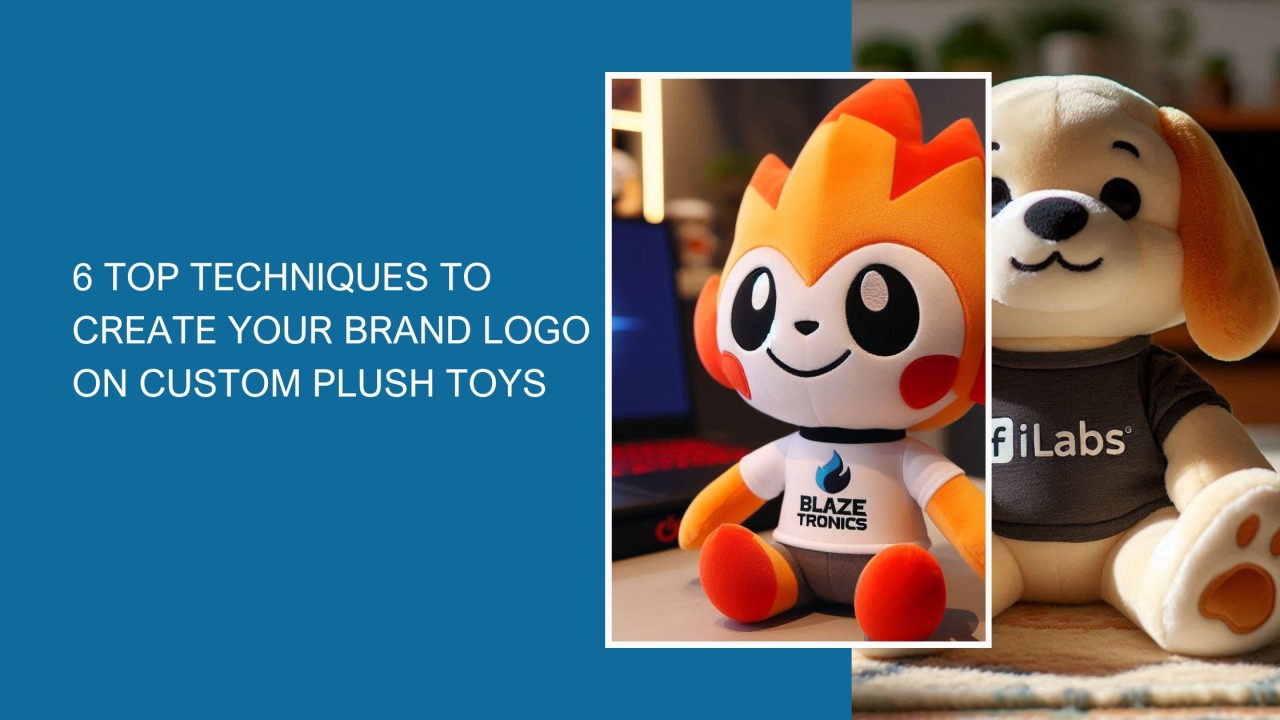
How Custom Stuffed Animals Are Used in Brand Marketing
The colourful world of custom stuffed animals is anything but child’s play. From boosting brand visibility and strengthening consumer bonds to serving as unique promotional items, these cuddly creations have a serious role in marketing today. In this article, we explore the ins and outs of using custom plush toys to elevate a brand’s image and connect with clientele in memorable ways.
Understanding the Appeal of Custom Stuffed Animals
The Emotional Connection
Stuffed animals evoke nostalgic feelings and gentle comforts that remind us of childhood. They tap into the emotional psyche, making them effective as brand ambassadors when positioned correctly. The softness and warmth of plush toys enhance brand perception, leading to more memorable consumer experiences.
Brands that integrate themes of care, whimsy, and authenticity into their marketing strategies find that custom plush toys help articulate a human touch in a digital age. In many cases, these toys become a symbol of reliability and approachability, forging deeper emotional connections with audiences.
Moreover, the use of custom designs allows marketers to infuse specific brand colours, logos, or characters, ensuring that every element resonates with the brand identity. This customised approach establishes a tangible representation of abstract values, inviting customers to form a personal relationship with the brand.
Memorability and Longevity
The shelf-life of a custom stuffed animal in an individual’s memory exceeds that of many digital advertisements or fleeting marketing campaigns. When a plush toy finds a home in a customer’s collection, it continuously reminds them of the brand behind it. This long-term exposure is invaluable in building brand loyalty over time.
Custom plush products also prompt word-of-mouth referrals. Friends and family are likely to comment on the quirky and unique toy, inadvertently turning every recipient into a brand advocate. The longevity and continuous presence of these items act as subtle yet constant marketing tools.
Their physical nature ensures they become cherished keepsakes, often displayed in homes or offices, amplifying a brand’s reach long after the initial promotional effort has concluded.
Practical Ways Custom Stuffed Animals Drive Brand Marketing
Branded Giveaways and Competitions
Businesses have discovered that integrating custom stuffed animals into giveaways and contests can spark significant engagement on social media platforms. A unique plush toy can quickly go viral if it resonates well with an audience, particularly amongst collectors and parents.
Companies often run competitions where participants must share their experiences or memories involving the toy. This not only boosts online engagement but also amplifies the reach of the brand by harnessing the power of user-generated content.
Additionally, these contests provide an excellent opportunity for brands to gather insights into what their audiences love. The combination of fun, engagement, and tangible rewards makes for a winning marketing formula second to none.
Limited Editions and Collector’s Items
Limited edition custom plush toys have carved out a niche presence in the competitive marketing landscape. With only a set number released, these items quickly become highly coveted pieces among both dedicated collectors and loyal brand followers.
This scarcity creates an aura of exclusivity. Over time, the value of these limited editions can appreciate, even if they were initially given away as promotion tools. The collectibles market, bolstered by curated releases from brands like Mattel and Spin Master, shows that creative promotional strategies have a lasting impact.
By introducing limited-edition pieces based on popular media franchises or even local cultural icons, brands can tap into niche audiences and drive higher engagement levels. Such strategic releases often coincide with major events or anniversaries, further enhancing their marketing potential.
Corporate Gifting and Event Merchandise
Bespoke stuffed animals make excellent corporate gifts. When a brand opts to incorporate these items into its corporate gifting strategy, it communicates a message of thoughtfulness and creativity. Clients and partners instantly recognise the uniqueness of the gift, setting the stage for stronger business relationships.
Event organisers also have an opportunity to leverage custom plush toys as memorabilia. Whether at trade shows, product launches, or corporate events, customised plush toys serve as a lasting reminder of the day’s excitement. They also function as conversation starters, assisting brands in forging deeper networking ties.
Utilising plush items in such contexts bridges the gap between consumer interaction and brand messaging. They are not just giveaways-they are a tactile piece of the brand, handled and remembered long after the event concludes.
The Rise of Sustainable Branding in Plush Toys
Eco-Friendly Materials and Production Techniques
Sustainability has become a leading trend across industries, and the stuffed animals market is no exception. With a growing demand for environmentally friendly products, brands have turned to sustainable materials to produce their custom plush toys. A notable example is Mattel’s biodegradable plush toy line made from corn-based fibre, which sold over six million units in North America within the first three months of its launch.
This move towards sustainability not only aligns with modern consumer values but also helps build a brand image that is responsible and progressive. Eco-friendly plush toys offer an alternative to typically synthetic products, appealing to a demographic that prioritises environmental issues.
The use of biodegradable materials ensures that these toys have a minimal environmental impact. For environmentally conscious consumers, knowing that their favourite toy contributes to reducing ecological footprints enhances brand loyalty and trust.
Integrating Sustainability into Brand Identity
Plush toys crafted from sustainable resources send a clear message: the brand cares about more than just profits. Such initiatives often pave the way for broader corporate social responsibility campaigns that encompass ethical production practices and community engagement.
Consumers are increasingly attentive to brands that integrate eco-friendly practices seamlessly into their product offerings. When a company launches a sustainable line of stuffed animals, it highlights its commitment to preserving the environment, a narrative which resonates deeply with modern audiences.
This approach can lead to positive media coverage and elevate the brand’s overall reputation. By making sustainability a part of their identity, marketers create a shared value proposition that appeals both to the heart and the mind.
Impact on Market Growth and Consumer Behaviour
Influence on Market Dynamics
The global stuffed animals and plush toys market has seen significant growth in recent years, with estimates showing market values ranging from $8.3 billion in 2022 to projections of over $20 billion by 2030. This robust growth is partly driven by innovative marketing strategies that incorporate custom plush toys. These items not only cater to consumer nostalgia but also meet modern design standards with eco-friendly and sustainable practices.
The steady increase in the introduction of new plush toy models-over 2,500 new designs globally in 2024 alone-demonstrates the versatility and broad appeal of these products in various market segments. With 900 models featuring licensed characters, it is clear that collaboration and creative marketing hold immense potential in attracting wider demographics.
Custom plush toys are at the intersection of market trends and consumer expectations. As brands strive to differentiate themselves in a crowded marketplace, these tangible, well-crafted items offer a medium that is both engaging and versatile.
Consumer Behaviour and Loyalty
Consumers today expect a blend of creativity and authenticity from the brands they support. Custom stuffed animals serve as physical embodiments of a brand’s values and help articulate their story in a concrete form. For many, receiving a plush toy as part of a promotion translates into a memorable experience that reinforces brand loyalty.
A study on brand positioning reveals that effective publicity deepens consumer understanding of the brand’s concept. This, in turn, fortifies the expectations associated with a product. As a result, customers who appreciate the sensory and emotional connection provided by custom plush toys tend to become loyal supporters and advocates.
Repeated positive interactions with these tactile items create a cycle of trust and repeated brand exposure. Word-of-mouth marketing, further amplified by social media platforms, ensures that every positive experience transforms into valuable marketing currency.
Strategies for Incorporating Custom Plush Toys Into Marketing Campaigns
Identifying Your Target Audience
Effective usage of custom stuffed animals begins with understanding the target demographic. Are the toys aimed at children, families, or perhaps nostalgic adults? Knowing the audience shapes the design, messaging, and distribution channels used in the campaign. By tailoring the plush toy’s characteristics-colour, texture, and overall design-to meet the preferences of a specific audience, brands stand a better chance of creating a resonant product.
The market segmentation studies indicate that knowledge of consumer behaviour is key. For instance, brands like Jellycat have leveraged consumer insights to fine-tune their product offerings, resulting in stronger customer loyalty. The careful design of a plush toy that captures both the spirit and values of its target demographic is essential.
Engaging in initial market research can provide insights into the types of plush toys that will best serve the campaign’s goals. Whether the objective is to generate buzz through limited editions or to provide consistent, branded giveaways, understanding the audience is the first step toward success.
Design and Customisation
Once the target audience is clear, the next step involves designing a toy that reflects the brand’s unique personality. Customisation allows brands to incorporate logos, mascots, or even tailor-made characters that embody the ethos of the company. The design phase is where creativity meets strategy, resulting in a product that is both appealing and aligned with marketing goals.
Collaboration with skilled designers is often essential. These professionals have an eye for detail and understand the nuances of branding. From choosing the right fabrics to selecting the perfect colour scheme, every decision is made with the target consumer in mind. The transformation of a simple stuffed animal into a powerful marketing tool lies in the thoughtful integration of brand elements.
A collaborative process ensures that the final product becomes a true representation of the brand. The resulting plush toy should not only be visually attractive but also durable, ensuring it remains a cherished item for years. In this way, it continues to serve as a constant reminder of the positive emotions associated with the brand.
Distribution Channels and Campaign Timing
Custom plush toys work best when they are integrated into a broader, well-timed promotional strategy. Distribution channels can range from online giveaways and social media competitions to corporate events and retail collaborations. The timing of the release is crucial-tying the plush toy’s launch to festivals, product anniversaries, or seasonal events can create a powerful marketing surge.
Campaign timing can also leverage media partnerships and celebrity endorsements. For instance, collaborations like the limited plush series based on trending anime characters have already proven to be extremely successful, selling millions of units within months of launch. Such strategic timing heightens the resonance of the product with market trends and current consumer interests.
Aligning campaign timing with market trends ensures maximum visibility. The digital and physical distribution methods work hand in hand, extending the reach of the promotion. Brands that manage to synchronise these elements often see enhanced engagement and higher conversion rates.
Real-Life Success Stories and Case Studies
Global Case Studies
Across the globe, well-known brands have harnessed the power of custom stuffed animals to create viral marketing moments. Iconic companies have introduced limited-edition plush lines that not only echo their brand identity but also drive substantial sales. One notable instance is Spin Master’s collaboration with a leading anime studio in Japan, where their custom plush series sold over 8.2 million units globally within a short span.
This success is not an isolated incident. Numerous cases in the North American market have shown that well-executed promotions can lead to large-scale consumer adoption and lasting brand affinity. The robust market statistics, such as those forecasting a market value of USD 20.29 billion by 2030, underline the potential embedded within these strategies.
Real-life examples serve as compelling evidence that custom plush toys, when utilised creatively and thoughtfully, can transform a passive audience into active brand ambassadors. These case studies continue to inspire innovative marketing tactics across diverse sectors.
Local Australian Success Stories
Even on a local level, Australian brands have successfully integrated custom stuffed animals into their marketing mix. Small businesses and startups alike have found that offering customised plush toys as part of a wider promotional campaign boosts community engagement and fosters a sense of belonging among customers.
The friendly, personalised approach typical of Australian business culture often finds its perfect ally in custom plush toys. They encapsulate a laid-back yet effective method of brand communication-one that focuses on quality, authenticity, and heartfelt connections.
Local success stories emphasise the importance of authenticity and regional sensibilities. When executed correctly, these promotions not only drive immediate sales but also enhance long-term brand recognition across Australia and beyond.
Tips and Best Practices for Marketers
Prioritise Quality and Customisation
High-quality materials and meticulous craftsmanship are non-negotiable when producing custom plush toys. The tactile appeal of a plush toy is directly proportional to its construction; consumers can quickly tell the difference between a well-crafted product and a mass-produced item.
Investing in quality ensures that the toy remains durable and appealing over time, reinforcing the positive attributes of the brand. Customisation options should be fully leveraged-colours, textures, and embedded branding elements all contribute to a compelling product that resonates with the intended audience.
Engaging with manufacturers who prioritise eco-friendly practices and adhere to high production standards is a sure way to enhance product credibility. In the long run, quality builds trust and keeps consumers coming back for more.
Utilise Storytelling in Campaigns
Storytelling transforms a promotional activity into a memorable experience. Marketers should weave narratives around the creation and purpose of the plush toy. Whether it’s a tale of sustainable sourcing or a heartwarming story about community support, these narratives help the audience form a lasting bond with the product.
The story behind a custom stuffed animal can be shared across various media channels-social media posts, blog articles, and press releases. The narrative becomes a central part of the brand’s identity, inviting customers to become an integral part of this unfolding story.
Integrating storytelling elements into the campaign not only elevates the emotional appeal but also raises the overall impact. Stories that vividly detail the creative process and the inspiration behind the product add a personal dimension that consumers appreciate deeply.
Measure Engagement and Adapt Strategies
Marketing success is best judged by measurable engagement. Implement clear metrics to track user interaction, from social media shares and likes to direct customer feedback. These insights can help ascertain which aspects of the campaign are resonating and highlight areas for improvement.
Flexibility is key. As consumer preferences evolve, so too should the campaign strategy. Brands need to be agile enough to adapt and refine their approach when necessary. This continuous feedback loop ensures that every promotional effort is accurately aligned with shifting market trends.
Regular analysis of consumer engagement allows marketing teams to tailor future strategies and improve the overall impact. The data collected not only offers quantitative evidence of success but also provides qualitative insights that can spur further creative innovations.
Looking to the Future of Custom Plush Marketing
Trends Shaping the Market
Emerging trends indicate that the popularity of custom stuffed animals in brand marketing is only set to increase. With the market projected to show strong growth figures, particularly with an anticipated CAGR of 8.2% in some regions, opportunities are ripe for brands to explore.
Advances in manufacturing technology and customisation techniques mean that bespoke plush toys can be altered swiftly to match changing market pulses. A growing trend towards sustainability, coupled with innovative design, ensures that future promotional items will be even more in tune with consumer expectations.
In the near future, hybrid marketing approaches that combine physical products with digital experiences are likely to become the norm. Augmented reality integrations, for example, may offer consumers a way to interact with their plush toy beyond its physical form, creating multi-dimensional marketing opportunities.
Innovation and Consumer Participation
Brands are beginning to harness the power of consumer input during the design process. Crowdsourcing ideas for plush toy designs and engaging communities through interactive online platforms foster a sense of ownership among customers. This participatory approach not only energises the marketing campaign but also yields products that are in tune with consumer tastes.
The rise of social media influencers and digital communities further underlines the potential for interactive and innovative campaigns. When consumers feel like part of the creative process, they are more likely to share their experiences and promote the brand through their networks.
This trend towards inclusivity and innovation ensures that custom plush toys remain a dynamic and versatile tool in the marketer’s arsenal. By continuously adapting to consumer participation and the latest technological trends, brands can remain ahead of the competition.
Conclusion
Custom stuffed animals brilliantly merge creativity with commerce, providing brands with a unique medium to engage and delight consumers. Their ability to forge emotional connections, coupled with enduring quality and customisation potential, makes them an invaluable asset in brand marketing strategies.
From eco-friendly production techniques to innovative storytelling and participatory design, these plush toys encapsulate a modern approach to marketing that transcends conventional methods. Whether distributed as exclusive giveaways, commemorative souvenirs at events, or part of a holistic digital campaign, they reinforce brand identity in a tangible and lasting manner.
For marketers eager to make a memorable impact, custom plush toys offer a refreshing alternative to the ordinary-a symbol of creativity, passion, and the thoughtful exchange between brand and consumer.
Click here Why Metal Keychains Remain a Practical Promotional Item