
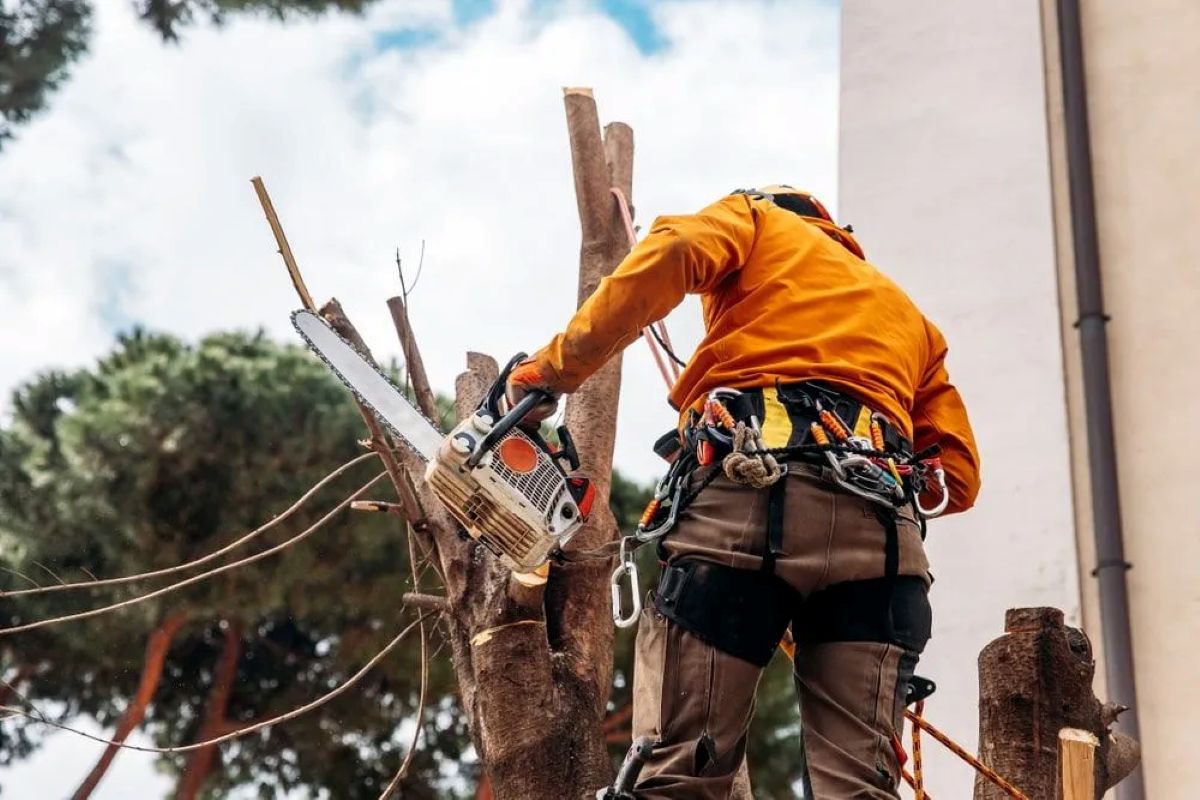
The Value of a Consulting Arborist Sydney When Planning Construction
Why Should You Consult an Arborist in Sydney When Planning Construction?
A consulting arborist Sydney brings specialised expertise that safeguards existing trees while ensuring your construction project complies with local planning and environmental regulations. Without professional arboricultural guidance, developers risk costly delays, council rejections, and unnecessary tree removal that could otherwise be avoided.
Sydney’s urban environment is home to valuable trees that enhance property values, support ecological balance, and contribute to community wellbeing. Construction activity can severely impact these assets through root disturbance, soil compaction, and structural stress. A qualified consulting arborist assesses which trees can be retained and develops practical strategies to protect them throughout each stage of the build.
The role of a consulting arborist extends well beyond basic inspections. These professionals prepare comprehensive arborist reports that meet council requirements, conduct detailed risk and impact assessments, and design site-specific tree management and protection plans. Their expertise bridges the gap between tree biology and construction processes, ensuring development activities do not compromise long-term tree health.
Engaging a consulting arborist Sydney early in the planning phase helps prevent problems before they arise. By reviewing architectural and site plans during the design stage, arborists can recommend layout adjustments that respect tree protection zones and minimise root damage. This proactive approach saves both time and money compared to resolving tree conflicts once construction is underway.
This article explores the value of working with a consulting arborist for construction planning in Sydney. It outlines their qualifications, assessment methodologies, and core services—from tree impact assessments to protection strategies—highlighting how professional arboricultural input supports sustainable development while balancing preservation and project objectives.
What Qualifications Do Consulting Arborists in Sydney Typically Hold?
Consulting arborists in Sydney hold an AQF Level 5 arborist qualification, which represents advanced diploma-level training in arboriculture. This credential signifies comprehensive education in tree biology, risk assessment, and management practices that go well beyond basic tree care knowledge.
The AQF Level 5 qualification requires extensive study across multiple disciplines. Arborists at this level complete rigorous coursework covering:
- Tree physiology and growth patterns
- Soil science and root system development
- Pest and disease identification and management
- Risk assessment methodologies
- Australian standards and legal frameworks
- Advanced diagnostic techniques
Professional arborist credentials at this level demonstrate mastery of both theoretical knowledge and practical application. These professionals understand how trees respond to environmental stresses, construction impacts, and urban conditions specific to Sydney’s climate and soil types.
Sydney arboriculture expertise demands familiarity with local tree species, from native eucalypts to introduced ornamentals. Qualified consulting arborists can identify species-specific vulnerabilities and predict how individual trees will react to construction disturbances. They assess structural integrity, evaluate long-term viability, and determine which specimens warrant protection measures.
Advanced qualifications matter significantly for construction projects because they ensure arborists can produce reports that satisfy council requirements and withstand scrutiny. Level 5 qualified professionals possess the analytical skills to conduct complex root investigations, interpret soil compaction data, and design protection strategies that actually work in practice rather than just on paper.
The depth of knowledge required for this qualification enables arborists to anticipate problems before they arise. They recognize subtle signs of tree stress, understand the cumulative effects of construction activities, and can recommend interventions that preserve tree health while accommodating development needs. This expertise becomes invaluable when navigating the competing demands of urban development and environmental conservation.
How Do Consulting Arborists Assess Trees During Construction Planning?
Consulting arborists start with a preliminary arboricultural assessment that thoroughly examines every tree on or near the proposed construction site. This initial survey identifies which trees are present, their species, size, and approximate location in relation to the development area.
Visual Tree Health Evaluation Methods
Tree health evaluation involves detailed visual inspections looking at various signs of vitality and structural soundness. Arborists search for indications of disease, pest infestation, decay, or physical harm that could threaten a tree’s long-term health. They assess foliage density and color, bark condition, presence of dead wood, and any visible wounds or cavities.
The inspection goes beyond just what can be seen from above. Arborists check the trunk for cracks, splits, or fungal growths that suggest internal decay. They also examine the root collar area where the trunk meets the ground, looking for girdling roots, soil compaction, or signs of root disease that might weaken the tree.
Determining Retention Value
Retention value assessment takes into account several factors besides tree health. Arborists evaluate:
- Species significance: Native species or rare specimens usually receive higher retention priority
- Landscape contribution: Trees providing significant shade, screening, or aesthetic value
- Age and maturity: Established trees that would take decades to replace
- Ecological function: Habitat provision for wildlife or contribution to urban biodiversity
- Cultural or historical importance: Trees with community significance or heritage listing
Trees are given ratings based on their condition, useful life expectancy, and contribution to the site. This systematic approach helps developers understand which trees should be protected and which may need to be removed.
Site-Specific Constraint Analysis
Arborists compare tree locations with proposed construction plans to identify potential conflicts. They measure tree protection zones based on trunk diameter and species characteristics, determining where root systems extend and what construction activities might cause damage. This spatial analysis reveals whether design changes could save valuable trees or if certain specimens will definitely be affected by the development.
The assessment records each tree’s ability to withstand disturbance. Some species can tolerate root pruning or soil compaction better than others. Understanding these specific traits allows arborists to give realistic advice about which trees
What Is an Arboricultural Impact Assessment and Why Is It Important?
An arboricultural impact assessment Sydney evaluates how proposed construction activities will affect existing trees on and around a development site. This detailed analysis identifies potential damage to trees before work begins, allowing developers to modify plans and implement protective measures that preserve valuable vegetation.
The assessment examines every aspect of the construction project that could harm trees. Consulting arborists analyze site plans, architectural drawings, and engineering specifications to pinpoint where conflicts may arise between development activities and tree preservation. They calculate the structural root zone (SRZ) for each tree—the critical area around the trunk where roots provide stability and anchorage.
Understanding Construction Risks to Tree Health
Excavation poses the most significant threat to tree survival during construction. Digging within the root zone severs major structural roots, compromising stability and cutting off water and nutrient uptake pathways. Trees may appear healthy immediately after root damage but decline rapidly over subsequent months or years.
Common construction activities that endanger trees include:
- Trenching for utilities, footings, and drainage systems
- Soil compaction from heavy machinery and material storage
- Grade changes that alter soil moisture and oxygen levels
- Chemical contamination from concrete washout and fuel spills
Building activities above ground also create risks. Scaffolding installation, material deliveries, and vehicle movements can damage bark, break branches, and compact soil around the root zone. Even seemingly minor impacts accumulate, weakening trees and making them susceptible to disease and structural failure.
The Role of Root Zone Protection in Development Planning
Arboricultural impact assessments map the extent of each tree’s root system to establish root zone protection boundaries. These zones typically extend well beyond the visible canopy, as roots spread horizontally to distances 2-3 times the tree’s height. Consulting arborists calculate the tree protection zone (TPZ) based on trunk diameter, species characteristics, and site conditions.
The assessment identifies which trees can realistically be retained given the proposed construction footprint. Some trees may be too close to planned structures or have root systems that would be severely compromised by necessary excavation. Arborists provide retention values that help developers and councils make informed decisions about which trees warrant preservation efforts.
Documentation That Supports Compliance an
How Do Consulting Arborists Use Root Mapping and Investigations?
Root mapping reveals the precise location and spread of tree root systems before excavation begins. This information determines whether construction activities will damage critical roots that supply water and nutrients to the tree. Without accurate root mapping, contractors risk severing major structural roots, leading to tree instability or death months after construction completes.
Why Root Zone Knowledge Determines Tree Survival
The root protection zone (RPZ) extends well beyond the visible trunk, often reaching 12 times the diameter at breast height for mature trees. Consulting arborists calculate these zones to establish no-go areas where excavation would prove fatal to the tree. A single digger bucket cutting through primary roots can compromise a tree’s structural integrity, creating hazards that may not manifest until years later when the weakened tree fails during storms.
Tree root investigations Sydney professionals conduct these assessments to identify:
- Structural root locations that anchor the tree and prevent toppling
- Feeder root concentrations where the tree absorbs most nutrients
- Root depth patterns that indicate how shallow or deep excavation can safely occur
- Root health indicators showing existing stress or disease
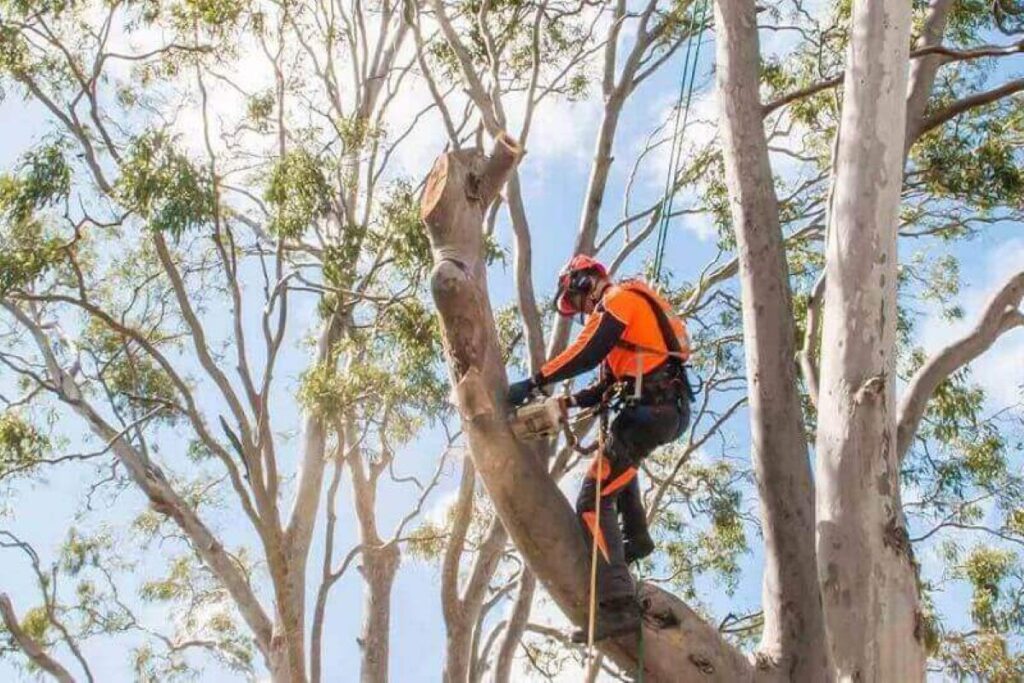
Root Mapping Techniques Used in Sydney Construction Projects
Air spading represents the gold standard for non-invasive root investigation. This technique uses compressed air to blow away soil without damaging roots, exposing the root system for direct observation and measurement. Arborists map the revealed roots using GPS coordinates, creating detailed diagrams that inform construction design modifications.
Ground-penetrating radar (GPR) scans beneath the surface without any digging. The technology sends electromagnetic pulses into the soil, detecting density changes that indicate root presence. While less precise than air spading, GPR covers larger areas quickly and works effectively in hard-to-access locations where excavation isn’t practical.
Probe and auger sampling involves manually testing soil at strategic points around the tree. Arborists insert thin probes to feel for root resistance, then use hand augers to extract soil cores that reveal root fragments and density. This method suits preliminary assessments before more detailed investigations.
Trench excavation under arborist supervision allows controlled exposure of roots along proposed construction boundaries. The arborist observes root size, health
What Are Tree Protection Plans and How Do They Help During Construction?
A tree protection plan Sydney provides a detailed blueprint for safeguarding trees on site throughout the construction process. These documents specify physical barriers, exclusion zones, and protective measures that prevent damage to tree roots, trunks, and canopies during building activities.
Core Elements of a Comprehensive Protection Plan
Effective construction tree management plans include several critical components:
- Tree Protection Zones (TPZ): Clearly defined areas calculated based on tree trunk diameter, typically extending to the dripline or beyond
- Structural Root Zones (SRZ): Mapped areas where major structural roots exist and require absolute protection
- Physical barrier specifications: Fencing types, heights, and installation methods that prevent unauthorized access
- Ground protection systems: Materials like geotextile fabric, mulch layers, or temporary paving to prevent soil compaction
- Signage requirements: Warning signs identifying protected areas and consequences of breaches
- Access restrictions: Designated pathways for machinery and materials that avoid root zones
- Monitoring schedules: Regular inspection protocols to ensure compliance throughout construction phases
Protective Measures That Minimize Development Damage
Consulting arborists recommend specific interventions tailored to each site’s conditions. Exclusion fencing forms the first line of defense, creating physical barriers that keep vehicles, equipment, and stored materials away from vulnerable root systems. These barriers typically stand at least 1.8 meters high with high-visibility markings.
Ground protection becomes essential when construction activities must occur near retained trees. Arborists may specify load-bearing platforms that distribute weight across wider areas, preventing soil compaction that suffocates roots. Some plans require temporary irrigation systems to maintain soil moisture during extended construction periods when natural water access becomes restricted.
Canopy protection measures address overhead risks. Arborists identify branches requiring protective padding where machinery might contact them or specify temporary supports for limbs stressed by nearby excavation. They establish maximum working heights for equipment operating near tree canopies.
Specialized Techniques for High-Risk Scenarios
When construction must occur within normally protected zones, arborists develop modified approaches. Hand digging replaces mechanical excavation near roots, allowing workers to carefully expose and preserve major root structures.
Why Is Pruning Specified by Consulting Arborists Crucial for Tree Health and Safety?
Pruning specified by consulting arborists protects both trees and construction workers by removing hazardous branches while maintaining tree vitality throughout development. Strategic pruning creates clearance for machinery and structures without compromising the tree’s structural integrity or long-term health.
What Types of Pruning Do Construction Sites Require?
Clearance pruning removes branches that interfere with construction equipment, scaffolding, or proposed building envelopes. A consulting arborist identifies specific branches requiring removal while preserving the tree’s natural form and maintaining adequate foliage for photosynthesis.
Deadwood removal eliminates brittle or decaying branches that pose falling hazards to workers and equipment below. This pruning type becomes particularly critical when construction activities generate vibrations that could dislodge unstable limbs.
Crown reduction decreases the overall size of the tree canopy when buildings or structures will be positioned closer than ideal to existing trees. Arborists calculate precise reduction percentages that won’t trigger decline or create excessive stress responses.
Structural pruning addresses weak branch unions, co-dominant stems, or poor weight distribution that construction activities might exacerbate. This proactive approach prevents future failures that could damage new structures or injure occupants.
Which Australian Standards Govern Pruning Practices?
AS 4373-2007 Pruning of Amenity Trees establishes the national framework for all tree pruning work in Australia. This standard defines acceptable pruning techniques, specifies maximum removal limits, and outlines quality requirements that consulting arborist pruning recommendations must follow.
The standard prohibits harmful practices like:
- Topping or lopping that removes excessive canopy
- Flush cuts that damage branch collars
- Stub cuts that prevent proper wound closure
- Lion’s tailing that concentrates weight at branch ends
AS 4970-2009 Protection of Trees on Development Sites complements pruning standards by specifying timing and methods for pruning near construction zones. Consulting arborists reference both standards when developing specifications that maintain urban tree safety while accommodating development requirements.
How Does Early Engagement with a Consulting Arborist Benefit Construction Projects?
Early arborist consultation benefits construction projects by identifying tree-related constraints before design commitments are made, allowing architects and engineers to adjust plans around valuable trees rather than facing expensive redesigns later. Engaging a consulting arborist during the initial planning stages reveals which trees can be preserved, which require removal, and where root protection zones will limit excavation options.
Preventing Costly Project Delays
Waiting until construction begins to address tree issues often results in work stoppages when protected trees are discovered or when council inspectors identify non-compliance with tree preservation orders. A consulting arborist conducting preliminary assessments maps out all tree-related requirements before groundwork starts, eliminating surprises that halt machinery and crews.
Development applications in Sydney frequently face rejection or require resubmission when tree reports are incomplete or fail to address council concerns adequately. Professional arborists understand what information councils need, preparing comprehensive documentation that satisfies regulatory requirements on the first submission. This streamlined approval process keeps projects on schedule and within budget.
Navigating Council Requirements with Expert Input
Sydney councils maintain specific tree preservation policies that vary between local government areas, with some protecting trees based on species, size, or heritage significance. Consulting arborists possess detailed knowledge of these local regulations, ensuring development plans comply with area-specific requirements without requiring developers to research multiple council policies.
The regulatory compliance assistance provided by qualified arborists extends beyond basic tree removal applications. They prepare arboricultural impact assessments that demonstrate how construction activities will be managed to protect retained trees, addressing council concerns about root zone encroachment, canopy damage, and long-term tree viability. Their professional recommendations carry weight with council assessors, who trust qualified arborists to provide accurate technical information. You may like to visit https://www.planningportal.nsw.gov.au/development-and-assessment/planning-approval-pathways/complying-development/tree-removal-and-protection to get more about tree removal and protection.
Optimizing Site Design Around Existing Trees
Arborists working alongside architects during early design phases identify opportunities to incorporate mature trees into landscape plans, adding immediate aesthetic value that would take decades to replicate with new plantings. They calculate tree protection zones and recommend construction methods that allow building near valuable specimens without compromising root systems.
Minimizing project delays Sydney developers face requires understanding which trees can tolerate construction impacts and which cannot survive development activities.
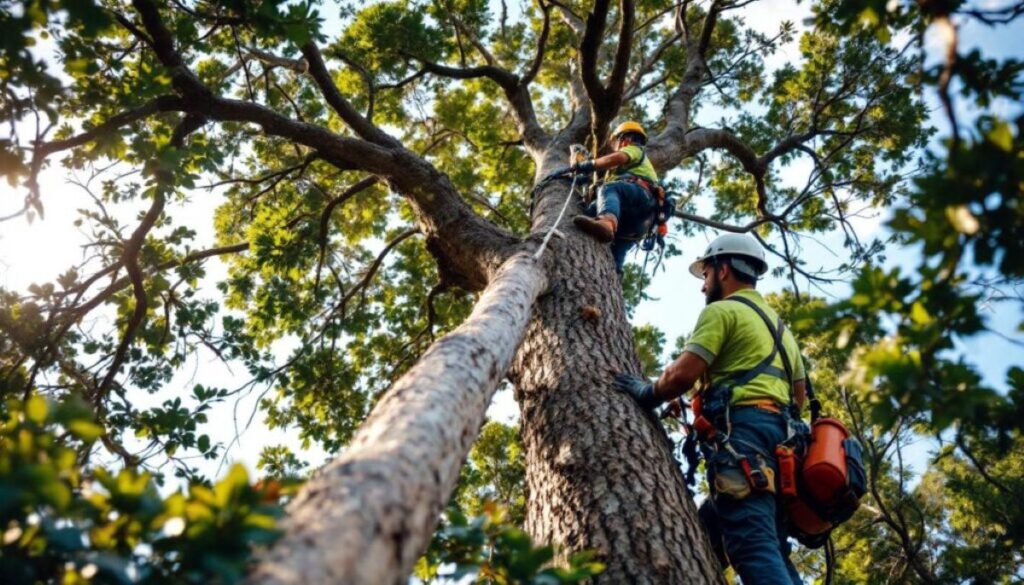
What Are The Benefits Of Hiring A Consulting Arborist In Sydney For Your Construction Project?
Hiring a consulting arborist delivers measurable returns through regulatory compliance, risk mitigation, and enhanced project outcomes. The value of consulting arborist Sydney professionals bring extends beyond simple tree assessments—they serve as strategic partners who integrate environmental stewardship with construction objectives.
Regulatory Compliance and Approval Success
Consulting arborists prepare documentation that satisfies council requirements, significantly improving development application success rates. Their reports demonstrate due diligence in urban tree preservation, addressing concerns before they become objections. Projects backed by professional arboricultural assessments typically move through approval processes faster, with fewer conditions attached.
Financial Protection Through Risk Management
These specialists identify potential tree-related liabilities before construction begins, preventing expensive mid-project complications. Root damage claims, tree failure incidents, and non-compliance penalties can cost tens of thousands of dollars. A consulting arborist’s upfront investment of a few thousand dollars protects against these substantially larger financial exposures.
Enhanced Property Value and Amenity
Preserving mature trees maintains property appeal and market value. Developments that successfully integrate existing vegetation command premium prices and attract environmentally conscious buyers. The value of consulting arborist Sydney expertise becomes evident in the finished project’s aesthetic and environmental quality.
Sustainable Development Credentials
Professional tree management aligns construction with sustainable construction practices that increasingly influence project approvals and market perception. Consulting arborists help developers demonstrate environmental responsibility through:
- Evidence-based tree retention decisions
- Documented protection measures during construction
- Long-term tree health monitoring protocols
- Integration of green infrastructure planning
Technical Expertise for Complex Scenarios
Sydney’s diverse tree species and challenging urban conditions require specialized knowledge. Consulting arborists bring technical skills in root zone management, structural assessment, and species-specific care that general contractors lack. Their expertise proves particularly valuable when dealing with heritage-listed trees or sensitive ecological areas.
Long-Term Asset Management
Beyond immediate construction needs, arborists provide guidance for post-development tree care. Their recommendations ensure preserved trees remain healthy assets rather than becoming future liabilities. This forward-thinking approach supports the ongoing viability of both the development and its surrounding landscape.
More to Read : Is Tree Removal Necessary? Ask Your Local Arborist Thornleigh