Why is Winter the Best Time to Schedule Your Tree Pruning Service?
Winter tree pruning offers the most favorable conditions for maintaining healthy, structurally sound trees. When temperatures drop and trees enter their dormant phase, they become ideal candidates for pruning work that would otherwise stress them during active growth periods.
Advantages of Scheduling Tree Care in Winter
Choosing a professional tree pruning service during winter delivers multiple advantages that combine to produce superior long-term results:
Dormant trees heal faster because they redirect energy toward wound closure rather than leaf production or fruit development.
The absence of foliage reveals the tree’s true structure, allowing arborists to identify weak, damaged, or poorly positioned branches that remain hidden during the growing season.
Cold weather limits the activity of destructive insects and fungal pathogens, significantly reducing the risk of infections entering fresh pruning cuts compared to spring or summer work.
Removing dead, diseased, or crossing branches during dormancy eliminates unnecessary competition for nutrients before growth resumes, resulting in a healthier, more balanced canopy in warmer months.
Heavy equipment can access properties with minimal soil disturbance, preventing lawn damage and reducing post-service restoration costs.
These seasonal efficiencies often allow a professional tree pruning service to offer more cost-effective and comprehensive care, while delivering safer, cleaner, and longer-lasting results.
1. How Does Tree Dormancy Make Winter Pruning More Effective?
Tree dormancy transforms pruning from a potentially stressful intervention into an opportunity for optimal healing. During winter months, deciduous trees enter a state of metabolic rest where growth processes pause, creating ideal conditions for pruning work.
Understanding the Dormancy State
Trees respond to decreasing daylight and dropping temperatures by shutting down their active growth systems. Sap flow slows dramatically, leaves drop, and the tree’s energy reserves concentrate in the root system and trunk. This biological pause means pruning cuts don’t trigger the same resource-intensive responses that occur during active growing seasons.
The Energy Redirection Advantage
When you prune a tree during its growing season, it must simultaneously manage wound closure and continue supporting leaf production, fruit development, and new shoot growth. Winter pruning eliminates this competition. The tree healing process becomes the sole priority, allowing the tree to:
- Seal wounds more efficiently with protective callus tissue
- Allocate stored carbohydrates exclusively to repair mechanisms
- Develop stronger compartmentalization barriers against decay
- Prepare robust bud structures for spring emergence
Accelerated Recovery Timeline
The winter pruning benefits extend beyond simple energy management. Cuts made during dormancy begin forming protective layers immediately, even in cold temperatures. By the time spring arrives and active growth resumes, wounds have already established initial barriers. This head start means trees enter the growing season with healed or healing cuts rather than fresh wounds vulnerable to pathogen invasion or excessive moisture loss.
The dormant state essentially provides trees with a recovery period before facing the demands of spring growth, resulting in healthier branch development and more vigorous canopy expansion when warm weather returns.
2. Why Does Winter Pruning Help Prevent Pests and Diseases?
Winter pruning creates a natural barrier against tree pathogens and insect infestations. During the growing season, fresh pruning cuts act as open wounds that attract disease-carrying insects and provide entry points for fungal spores and bacteria. Cold winter temperatures keep these threats dormant or inactive, dramatically reducing infection risks.
Common Growing Season Threats:
- Fungal diseases spread rapidly through airborne spores in warm, humid conditions
- Bark beetles actively seek fresh wounds to lay eggs and transmit pathogens
- Bacterial infections thrive in moist environments typical of spring and summer
- Sap-feeding insects colonize vulnerable cut sites during active growth periods
The timing advantage for pest prevention strategies becomes clear when examining specific tree species. For instance, oak wilt disease, transmitted by beetles attracted to fresh cuts, poses severe risks from April through July. Pruning oaks during winter dormancy eliminates beetle activity entirely, as these insects remain inactive below 50°F.
Moreover, winter disease control pruning protects vulnerable species such as oak and elm by:
- Preventing beetle attraction to pruning sites
- Eliminating pathogen transmission vectors
- Allowing wounds to compartmentalize before pest emergence
- Reducing fungal spore exposure in dry winter air
This is particularly crucial for oak and elm tree pruning which demands specific attention to seasonal timing. Dutch elm disease spreads through elm bark beetles that feed on fresh wounds during warm months.
The biological advantage extends beyond insect vectors. Fungal pathogens like Hypoxylon and Armillaria struggle to establish in cold conditions. Fresh cuts made in winter develop protective callus tissue before spring warmth triggers pathogen activity. This head start in wound closure creates a sealed barrier against infection.
Cold temperatures also slow bacterial growth rates to near zero. Pruning wounds exposed during winter experience minimal bacterial colonization compared to summer cuts, which can harbor millions of bacteria within hours. The reduced microbial load translates to cleaner healing and stronger compartmentalization of damaged tissue.
In addition to these benefits, it’s important to note that the prevention of pests during the winter months significantly aids in maintaining the overall health of trees.
3. What Visibility Advantages Does Winter Provide for Pruning Decisions?
Pruning visibility winter conditions offer unmatched clarity for assessing tree structure. Without foliage blocking the view, arborists can identify problem areas that remain hidden during growing seasons, making winter the ideal time for thorough structural evaluation.
The leaf-off season benefits extend beyond simple convenience. Bare branches reveal:
- Crossing or rubbing limbs that create wounds and entry points for disease
- Narrow branch angles (crotches) prone to splitting under weight or wind stress
- Dead wood camouflaged by surrounding healthy foliage during summer
- Codominant stems competing for dominance that weaken overall structure
- Interior decay or cavities invisible when leaves are present
Professional arborists can trace each branch from its origin point at the trunk to its terminal end during winter inspections. This complete visual access allows for strategic decisions about which branches to remove, which to preserve, and how cuts will affect the tree’s future shape. A branch that appears healthy from the outside may show signs of internal weakness or poor attachment when viewed without leaf cover.
Why Winter is the Best Time to Schedule Your Tree Pruning Service becomes evident when considering structural assessment needs. Spring and summer pruning often means working blind, making educated guesses about what lies beneath dense canopy layers. Winter eliminates this guesswork entirely.
The bare canopy also reveals weight distribution imbalances that could lead to storm damage. Heavy branches extending too far from the trunk, asymmetrical growth patterns, or areas where snow and ice accumulation might cause breakage all become immediately apparent. Arborists can address these vulnerabilities before they become hazards.
Crown density evaluation becomes straightforward during winter months. Trees with overcrowded interiors benefit from selective thinning to improve air circulation and light penetration. Without leaves obscuring the view, professionals can determine exactly which branches to remove for optimal spacing and health.
4. How Does Winter Pruning Minimize Stress on Trees?
Winter pruning creates significantly reduced tree stress compared to pruning during active growing periods. Trees experience minimal physiological disruption when cut during dormancy because their metabolic processes have naturally slowed, eliminating the energy demands of photosynthesis, leaf production, and rapid cell division.
The Stress Factor During Active Growth
Summer pruning forces trees to respond to wounds while simultaneously managing multiple energy-intensive processes. During peak growing season, trees allocate resources to:
- Producing new foliage and shoots
- Transporting water and nutrients throughout the canopy
- Supporting photosynthesis across thousands of leaves
- Developing fruit or seed production
When you remove branches during this period, trees must divert precious energy from these vital functions to seal wounds and activate defense mechanisms. This creates a biological tug-of-war that weakens the tree’s overall vitality and leaves it vulnerable to secondary stressors like drought or heat.
Winter’s Natural Advantage
Dormant trees operate in conservation mode, storing energy reserves in roots and trunk tissue rather than expending them on growth. Pruning cuts made during this period trigger a measured healing response without competing demands. The tree can dedicate its stored carbohydrates exclusively to compartmentalizing wounds and forming protective callus tissue.
Seasonal pruning impacts become evident in spring growth patterns. Trees pruned in winter emerge from dormancy with sealed wounds and intact energy reserves, channeling their full vigor into robust new growth. Those pruned during summer often display stunted development, sparse foliage, or increased susceptibility to environmental stress throughout the following season.
The temperature itself plays a protective role. Cold conditions naturally slow bacterial and fungal activity at wound sites, giving trees additional time to establish barriers before pathogens become active in warmer months.
5. How Can Winter Pruning Save You Money?
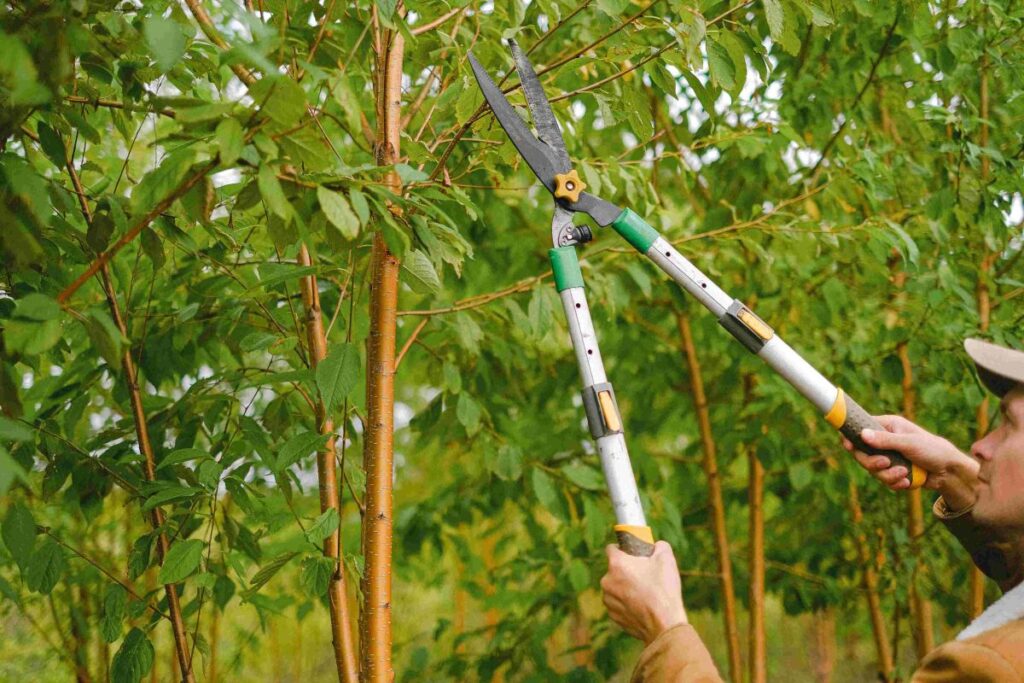
Winter pruning offers significant financial benefits through reduced property damage and lower labor costs. The frozen ground creates a stable work surface that supports heavy equipment without causing ruts, soil compaction, or lawn damage that would require costly repairs in warmer months.
Benefits of Equipment Access
Frozen ground equipment access makes difficult pruning projects easier to handle. Tree service companies can position bucket trucks, chippers, and log haulers directly where needed without:
- Sinking into soft soil
- Damaging underground irrigation systems
- Compacting root zones
- Destroying landscaping features
- Creating muddy tracks across lawns
This accessibility eliminates the need for expensive ground protection measures like plywood sheets or specialized mats that arborists must use during other seasons. The savings from avoiding lawn restoration alone can reduce your total project cost by 15-25%.
Preventive Savings Through Early Action
Cost-effective tree care in winter prevents costly emergency situations later on. Removing weak or damaged branches during the dormant season costs significantly less than cleaning up after a storm. A proactive winter pruning session typically runs $300-800 for a large tree, while emergency removal of a fallen branch can exceed $2,000-5,000 depending on property damage.
Seasonal Pricing Advantages
Tree service companies often experience reduced demand during winter months, creating opportunities for competitive pricing. Many arborists offer discounted rates during their slower season, with savings ranging from 10-30% compared to peak spring and summer prices. Scheduling flexibility also improves, allowing you to book appointments without the typical 2-4 week wait times common during busy seasons.
The combination of protected property, prevented emergencies, and potential seasonal discounts makes winter the most economical choice for maintaining your trees. Click here to get more about the value of a consulting arborist Sydney when planning construction.
6. What Long-Term Health Benefits Do Trees Gain From Winter Pruning?
Winter pruning establishes a foundation for improved tree health winter by systematically removing structural weaknesses before they become serious problems. Dead, diseased, or damaged branches drain resources from healthy parts of the tree, and eliminating these during dormancy allows the tree to allocate energy more efficiently when spring growth begins.
Hazard branch removal during winter directly prevents property damage and personal injury. Weak branches weighed down by ice and snow pose significant risks to structures, vehicles, and people below. Identifying and removing these vulnerabilities while trees are bare reduces the likelihood of unexpected failures during severe weather events.
The practice strengthens the tree’s overall architecture by addressing:
- Crossing or rubbing branches that create wounds and entry points for pathogens
- Narrow crotch angles prone to splitting under stress
- Co-dominant stems competing for dominance and weakening structural integrity
- Overextended limbs that compromise balance and stability
Winter pruning also improves air circulation throughout the canopy. Dense, unpruned growth traps moisture and creates ideal conditions for fungal diseases. Strategic cuts open up the interior, allowing better airflow and faster drying after rain or snow, which naturally suppresses disease development.
Trees pruned in winter develop stronger wood connections at cut sites. The healing process during dormancy produces more robust callus tissue compared to growing-season wounds. This enhanced wound closure creates better barriers against decay organisms attempting to colonize exposed wood.
Why Winter is the Best Time to Schedule Your Tree Pruning Service becomes evident when considering how preventive maintenance compounds over years. Regular winter pruning trains young trees into proper form, eliminating the need for corrective surgery later. Mature trees maintain their vigor longer when structural issues are addressed consistently during dormancy rather than waiting for visible decline.
7. Why Is Sap Bleeding Avoidance Crucial, Especially for Certain Trees Like Maples, When It Comes to Winter Pruning?
Sap bleeding prevention becomes critical when pruning certain tree species, particularly maples, birches, and walnuts. These trees experience heavy sap flow during late winter and early spring, causing them to “bleed” profusely when cut during their active periods.
When maple tree pruning occurs outside the dormant season, cuts trigger excessive sap loss that can weaken the tree. The flowing sap creates an open wound that drains the tree’s stored energy reserves—sugars and nutrients meant to fuel spring growth. While this bleeding rarely kills a mature tree, it creates unnecessary stress and slows recovery.
The Science Behind Sap Flow
Trees transport water and nutrients through their vascular systems year-round, but the pressure and volume change dramatically with seasons. Maples store starch in their roots during fall, converting it to sugar in late winter. This sugar-rich sap creates positive pressure within the tree, ready to support explosive spring growth.
Pruning during this high-pressure period results in:
- Continuous sap dripping that can last for days or weeks
- Depletion of valuable nutrient reserves
- Increased vulnerability to opportunistic pathogens
- Unsightly staining on bark and surrounding surfaces
Optimal Timing Windows
The ideal window for maple tree pruning falls between late fall and mid-winter, specifically from November through January in most regions. During this period, trees have entered full dormancy but haven’t yet begun their spring sap mobilization. The frozen conditions keep sap flow minimal, allowing cuts to seal efficiently.
Late winter pruning (February-March) poses the highest risk for sap bleeding as temperatures fluctuate and trees prepare for spring. Even a few warm days can trigger sap movement, turning a simple pruning cut into a weeks-long dripping problem.
Species-Specific Considerations
Different trees exhibit varying degrees of sap bleeding sensitivity:
High-risk species (prune only in deep winter):
- Sugar maples and other maple varieties
- Birch trees
- Walnuts and butternuts
Moderate-risk species (prune cautiously during dormant season):
- Red maples
- Black walnuts
Low-risk species generally do not require specific timing considerations but may still benefit from winter pruning practices such as:
- Oak trees
- Pine trees
Understanding these sensitivities helps arborists plan effective pruning strategies that minimize stress on the tree while promoting overall health and vigor.
8. What Do Professional Arborists Recommend About Scheduling Tree Pruning Services in Winter?
Certified arborists consistently advocate for winter pruning as the gold standard for tree maintenance. Their recommendations stem from decades of field experience and scientific understanding of tree physiology during dormant periods.
Key Arborist Recommendations:
- Schedule pruning between late fall and early spring when trees have fully entered dormancy but before spring bud break
- Avoid pruning during extreme cold snaps (below -10°F) when wood becomes brittle and prone to tearing
- Target late winter (January through March) as the sweet spot for most deciduous species
- Book services early since winter represents peak season for professional tree care companies
Professional arborists emphasize that winter pruning requires specialized expertise. The absence of leaves demands a trained eye to assess branch structure, identify growth patterns, and make strategic cuts that promote healthy development. Amateur pruning during this season often results in improper cuts that compromise tree health.
Professional Tools and Techniques:
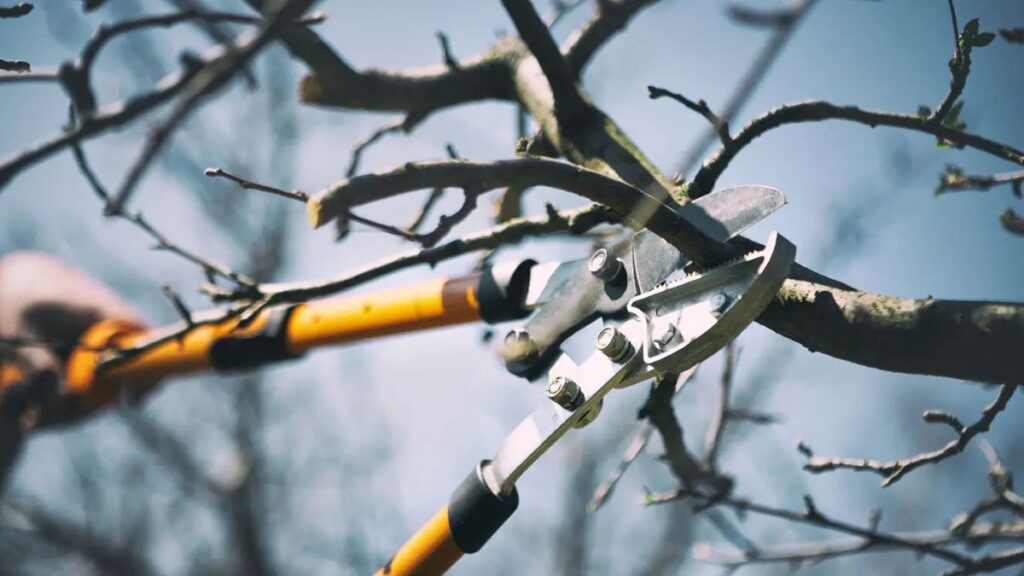
Certified tree care specialists employ equipment specifically designed for cold-weather work. Sharp, sanitized cutting tools prevent ragged wounds that heal poorly. Arborists use proper three-cut methods on larger branches to prevent bark tearing, a technique especially critical when wood is cold and less flexible.
Expert tree care tips include using rope and rigging systems to control branch removal safely, preventing damage to the tree’s crown and surrounding property. Professional climbers wear specialized cold-weather gear that maintains dexterity while ensuring safety on icy branches.
Arborist advice winter pruning protocols also stress the importance of making clean cuts at proper angles. Cuts should be made just outside the branch collar without leaving stubs, allowing the tree’s natural defense mechanisms to seal wounds efficiently. This precision becomes even more vital in winter when healing processes operate at reduced speeds.
Professional services include post-pruning inspections to identify any additional concerns like cracks, cavities, or structural weaknesses that become visible after pruning. These comprehensive assessments provide homeowners with actionable insights for long-term tree management strategies.
Conclusion
Why winter is the best time to schedule your tree pruning service becomes clear when you consider the complete picture: dormant trees heal faster, pests stay inactive, structural problems become visible, and your trees enter spring with renewed vigor. The cold months offer a strategic window that benefits both your trees’ health and your property’s safety.
Planning ahead makes all the difference. Tree service professionals often book their winter schedules weeks in advance, so early scheduling ensures you secure your preferred dates. Waiting until late winter or early spring means competing with other property owners who’ve realized the same advantages.
Your trees invest years developing their structure and strength. A single winter pruning session can remove hazards, prevent disease transmission, and set the foundation for decades of healthy growth. The frozen ground protects your landscape from equipment damage while arborists work with precision on bare branches.
Schedule winter pruning service now to avoid the rush and give your trees the care they deserve during their natural rest period. Contact a certified arborist to assess your property’s specific needs and create a pruning plan that maximizes the dormant season’s benefits. Your trees will respond with stronger growth, better structure, and improved resilience when spring arrives.
The investment you make in winter tree care pays dividends throughout the year—healthier canopies, reduced storm damage risks, and landscapes that thrive rather than merely survive.