

Mother’s Day Flowers Australia: Native Blooms vs Imports – Which Are Worth It?
This guide compares native Australian flowers and imported stems so shoppers can decide which option is genuinely worth it for Mother’s Day flowers Australia, based on value, freshness, look, and impact.
Are native flowers better value for Mother’s Day?
Often, yes. Native stems tend to last longer in the vase, handle warm conditions well, and look “full” with fewer stems, which can make Mother’s Day flowers Australia feel more substantial for the spend.
They also suit gifting when delivery timing is tight because many native varieties are hardy and less likely to bruise in transit.
Do imported flowers look more traditional?
Yes, and that is their main appeal. Imports like roses, peonies, and tulips deliver the classic “romantic” look many people expect from Mother’s Day flowers Australia, especially in soft pinks, reds, and creams.
The trade-off is that some imports can be more delicate, with shorter vase life if they have travelled far or sat in cold storage too long.
Which option lasts longer in a vase?
Native blooms usually win on longevity. Proteas, leucadendrons, banksias, and many gum varieties can look good for a week or more with basic care, which is why natives are popular for Mother’s Day flowers Australia.
Imports can still last well, but they are more sensitive to heat, dehydration during transit, and sudden temperature changes after delivery.
Are imported flowers always less fresh?
Not always, but freshness depends heavily on supply chain and timing. Imported stems can be excellent when flown in quickly and handled well, so Mother’s Day flowers Australia can absolutely include premium imports.
Still, the risk is higher around peak dates, when volumes surge and flowers may spend longer boxed, stored, or queued for delivery.
What do native Mother’s Day bouquets typically include?
They often feature textural stems and earthy tones. Common picks include waratah (when available), banksia, protea, kangaroo paw, waxflower, gum, and grevillea, all of which can make Mother’s Day flowers Australia feel modern and uniquely local.
Many bouquets also include foliage that stays attractive as it dries, so the arrangement can still look good even as it ages.
What do imported Mother’s Day bouquets typically include?
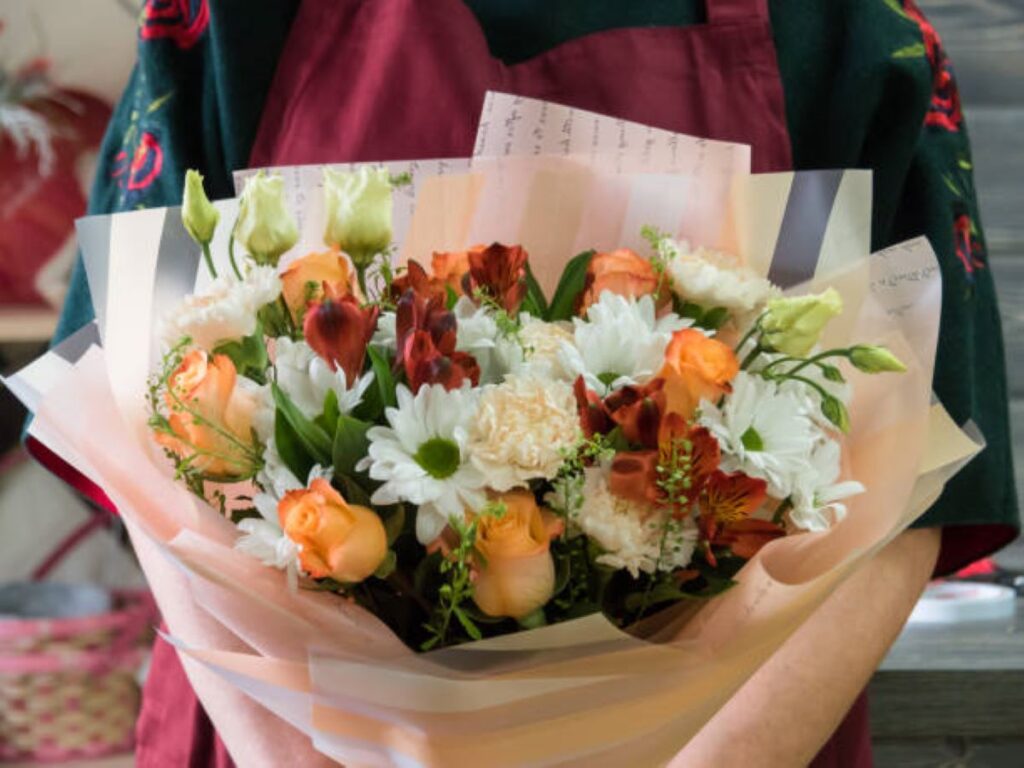
They tend to focus on softer shapes and familiar petals, such as roses, chrysanthemums, lilies, gerberas, and sometimes tulips or carnations. That classic profile is exactly what many buyers want from Mother’s Day flowers Australia.
However, petal-heavy blooms can drop faster if they are delivered on a warm day or placed near fruit, heaters, or sunny windows.
Which is more sustainable: natives or imports?
Natives are often the lower-impact choice because they can be grown locally and trucked shorter distances. For many shoppers, that makes native Mother’s Day flowers Australia feel more aligned with ethical gifting.
Imports can still be responsibly sourced, but air freight and additional packaging can raise the footprint. If sustainability matters, buyers can ask for locally grown, seasonal stems and minimal wrapping.
Do natives suit all mums, or can they feel too “wild”?
Natives are not only rustic. Florists can design them to look clean and elegant, especially with a tighter palette and refined foliage, so Mother’s Day flowers Australia can still feel polished.
That said, if the recipient strongly prefers classic roses or pastel “tea party” styles, imports or mixed bouquets may match their taste better.
What should buyers choose if they want the best “wow” factor?
It depends on what “wow” means to the recipient. For bold impact, large proteas, king proteas, banksias, or statement gum can make Mother’s Day flowers Australia feel dramatic and sculptural.
For a softer, more sentimental wow, premium roses, lilies, or a pastel imported mix may hit the emotional brief more directly.
How can shoppers maximise value no matter what they buy?
They should prioritise seasonality, stem quality, and simple care. A seasonal native arrangement can outperform a cheaper, out-of-season imported bunch, making Mother’s Day flowers Australia feel like better value over time.
They can also improve vase life by trimming stems, using clean water, changing it every two days, and keeping flowers away from heat, direct sun, and ripening fruit.
Other Resources : Exporting plants and plant products
So, which is worth it for Mother’s Day in Australia?
Native flowers are usually worth it when buyers want longevity, a modern Australian look, and lower transport impact. Imports are worth it when buyers want traditional shapes, specific colours, or a classic romantic style for Mother’s Day flowers Australia.
If unsure, a mixed bouquet that combines hardy natives with a few focal imported blooms can offer the best of both, while keeping the gifting experience dependable for Mother’s Day flowers Australia.
Related : Mothers Flowers 101: What to Send a Mum Who Already Owns Every Vase